Three leading researchers, three very different takes on where AI actually stands.
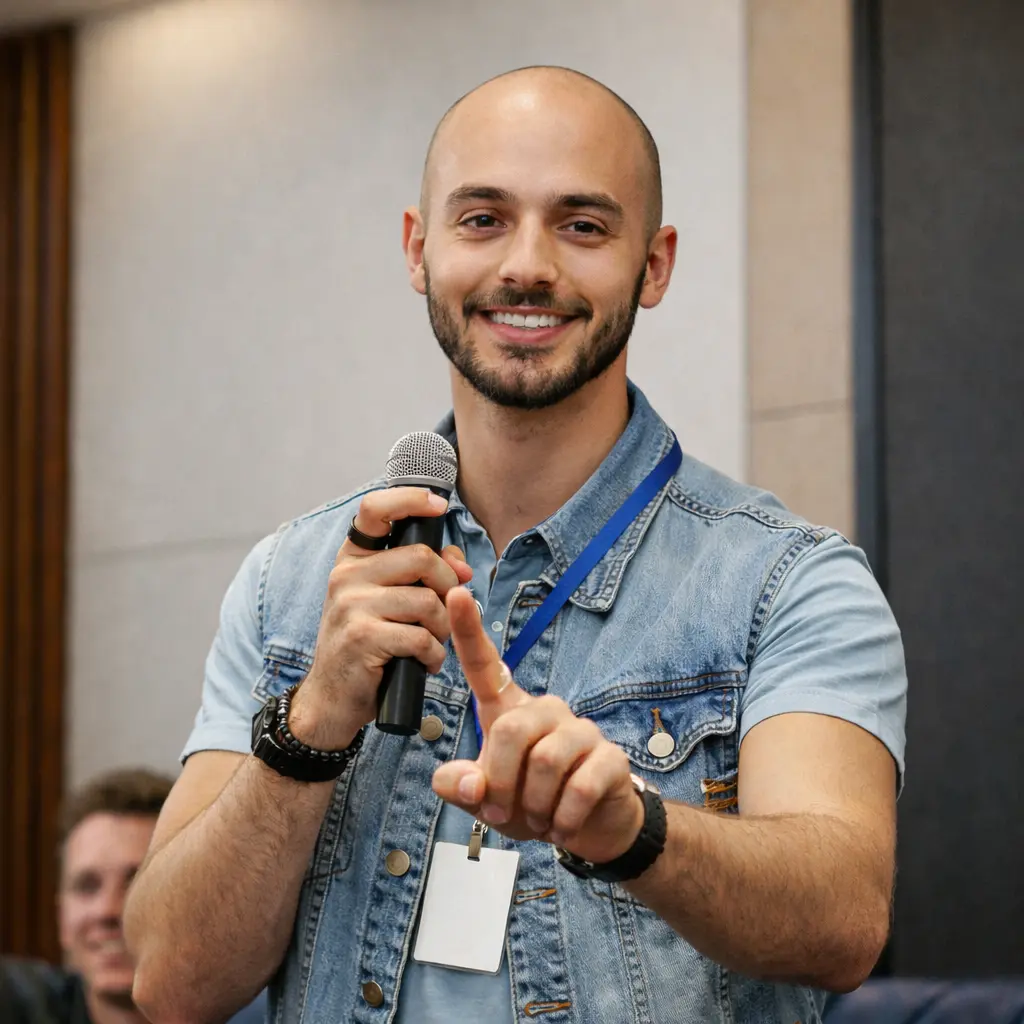
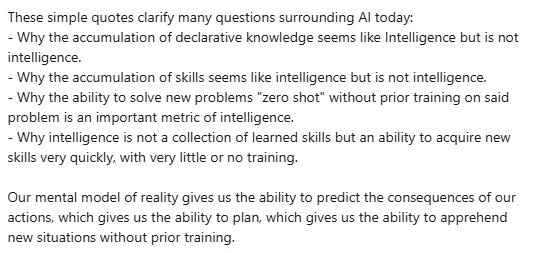
Yann LeCun, AI researcher at AMI Labs, flatly denies that current AI systems possess intelligence. True intelligence, in his view, is not about accumulated knowledge or learned skills — it shows itself in the ability to solve new problems without prior training. He reaches for a paraphrased position of psychologist Jean Piaget: "Intelligence is not what you know, but what you do when you don't know." LeCun is working on AI technology that moves away from the transformer-based large language models that dominate the field today.
DeepMind co-founder Demis Hassabis — typically known for his measured tone — takes a dramatically different position. He told the audience at the close of his Google I/O 2026 keynote that humanity is already standing "at the foot of the singularity" and should expect "a profound moment" ahead. Whatever the outcome, those words are likely to be remembered. Hassabis believes AGI is achievable within the next five years.
Oriol Vinyals, co-lead of the Gemini program, offers a middle ground. Today's models are genuinely powerful in code and mathematics, and reasoning is increasingly generalizing across domains. Had someone shown him today's models seven years ago, he says he would probably have called them AGI. But the ability to learn from experience and produce real innovation — something beyond pattern reproduction — is still missing.
Conclusion: The fact that three of the most credible voices in AI research cannot agree on whether intelligence has already been achieved — let alone when AGI will arrive — is itself the most telling signal: we are in territory where the definitions are still being written, and the stakes of getting them wrong have never been higher.



 ES
ES  EN
EN