


Best Overall

- Best-in-class reasoning and writing
- Strong ecosystem and integrations
- Advanced multimodal capabilities

OpenAI has launched GPT-6 Astra, its most capable artificial intelligence model to date. The model can operate computers, complete multistep workflows and handle tasks that would otherwise require continuous human input.
 By Alex Rowland
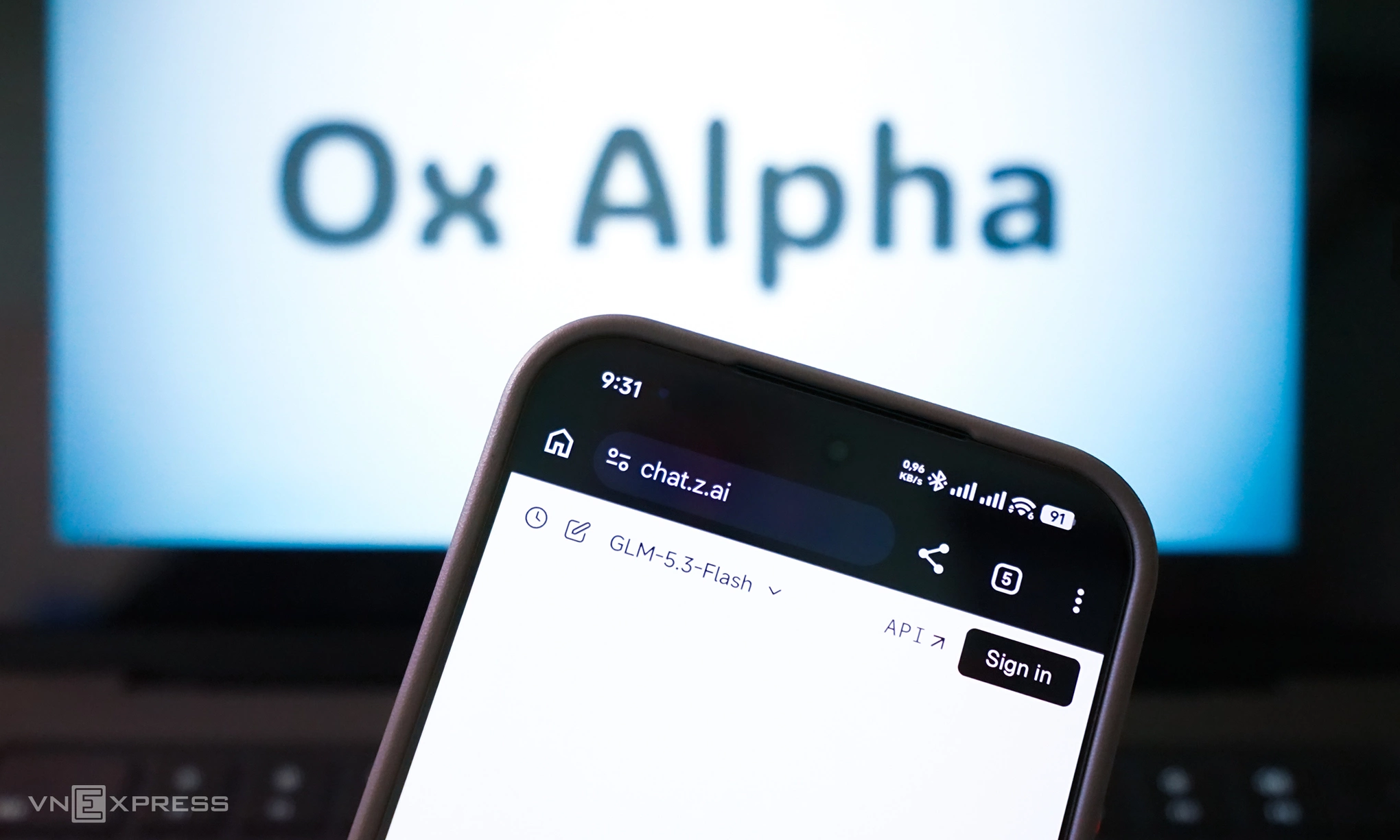
 Chinese AI company Z.AI says its new GLM-5.3-Flash model was served entirely on domestically produced AI accelerators, offering a fresh test of how far China's homegrown chip ecosystem has progressed under restrictions on access to advanced Nvidia hardware.

 By Chris Borden
 OpenAI has cut the price of GPT-5.6 Luna by 80% and GPT-5.6 Terra by 20%, while introducing a new Fast mode for GPT-5.6 Sol. The company says the changes are intended to make advanced AI models more practical for large-scale business workloads without reducing access to its most capable reasoning model.
 By Daniel Mercer
 OpenAI is advising users to stop writing excessively long prompts for GPT-5.6 Sol, saying that shorter and more focused instructions can improve accuracy, reduce token usage and lower operating costs.
 By Daniel Mercer
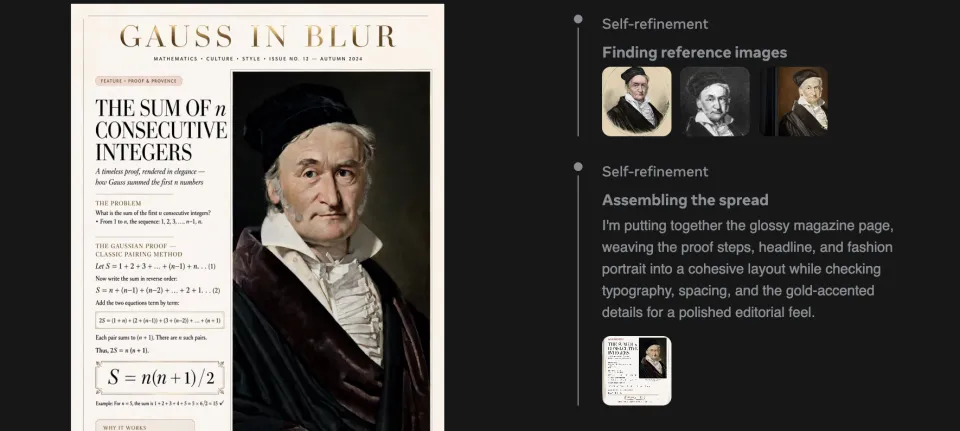
 OpenAI has officially unveiled its new generation of AI models, GPT-5.6, alongside the ChatGPT Work task assistant, marking the next stage of the artificial intelligence race. The GPT-5.6 family consists of three versions: Sol, the premium model; Terra, the balanced option; and Luna, the lower-cost version, each targeting a different customer segment.
 By Daniel Mercer
 Meta Superintelligence Labs has launched the Muse Image image-generation model and also previewed Muse Video. Muse Image has already been integrated into Meta’s AI apps, the web and several regional social media platforms, while Muse Video will soon be made available to content creators.
 By Chris Borden
 OpenAI is reportedly set to officially release GPT-5.6 Sol this week while expanding its trial program globally.
 By Daniel Mercer
 The artificial intelligence race is heating up, and Google is reportedly preparing to unveil a new “strategic card.” According to information shared on X by the account @HarshithLucky3, Google is expected to officially introduce the Gemini 3.5 Pro model on July 17.
 By Chris Borden
 Shortly after officially changing its name, Elon Musk’s SpaceXAI has officially unveiled Grok 4.5. The model is being positioned as a new “workhorse,” with Musk promising performance comparable to powerful Opus-class models but at a significantly lower cost for users.


 ES
ES  EN
EN