






Best Overall

- Best-in-class reasoning and writing
- Strong ecosystem and integrations
- Advanced multimodal capabilities
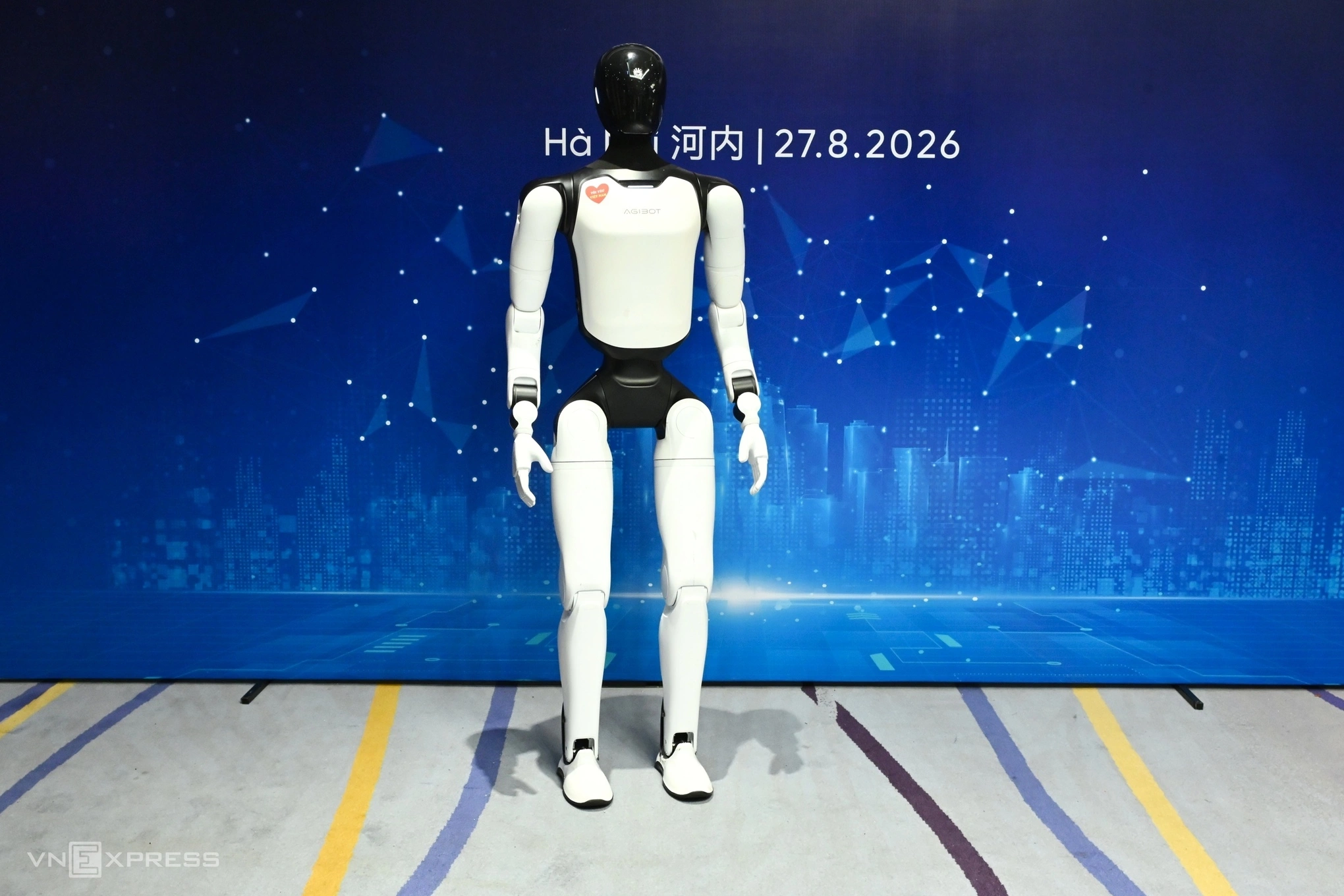
Hanoi — Chinese companies have proposed cooperation with Vietnam on data centers, computing infrastructure, as well as AI applications and use cases.
 By Chris Borden
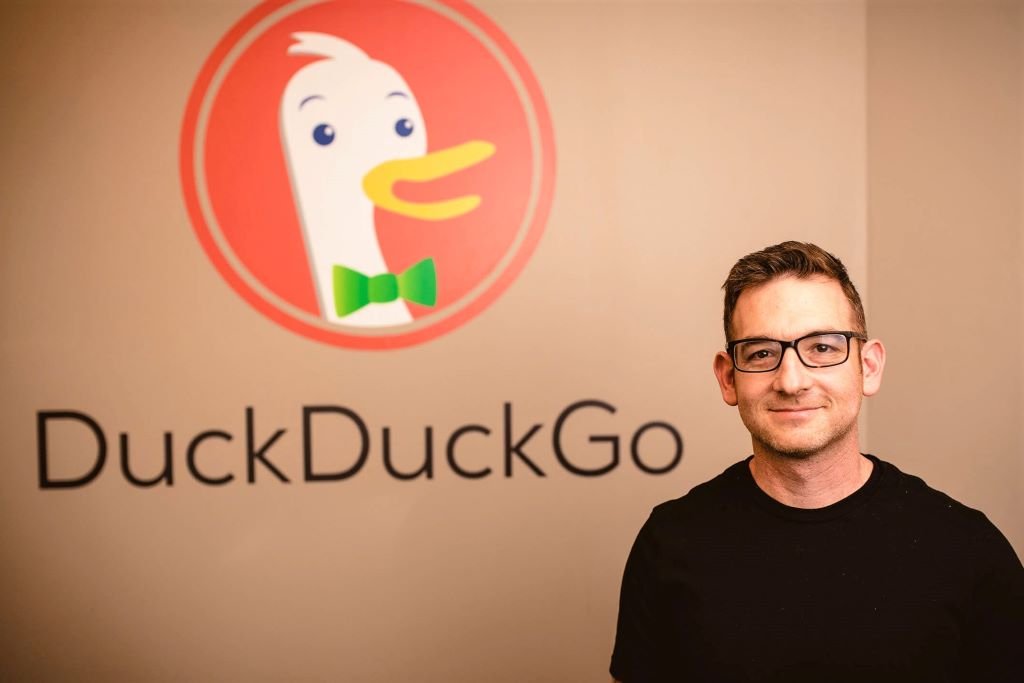
 DuckDuckGo saw a significant spike in US app installs after Google unveiled a sweeping AI-focused search overhaul at its I/O conference.
 By Chris Borden
 Google DeepMind is working on an AI-powered mouse cursor built around Gemini, aiming to reinvent one of the oldest elements of the computer interface. The idea is to turn the cursor from a simple pointer into a context-aware assistant that understands what the user is interacting with and why it matters.

 By Daniel Mercer
 Meta CEO Mark Zuckerberg has announced Incognito Chat, a new privacy-focused mode for Meta AI available on WhatsApp and the broader Meta AI platform. The feature is designed to give users a genuinely confidential space to interact with artificial intelligence — something Zuckerberg argues the industry has so far failed to deliver.
 By Chris Borden
 Google is introducing new AI features for Android under Gemini Intelligence, designed to automate multi-step tasks, summarize web content, fill out forms, and turn spoken thoughts into clear text messages. Ahead of Google I/O, the company announced that the features will launch this summer on the Samsung Galaxy S26 and Google Pixel 10, with additional devices such as smartwatches, cars, glasses, and laptops to follow later in the year.
 By Chris Borden
 Anthropic is expanding its AI Claude Managed Agents platform, launched in April, with three new features designed to make AI agents more reliable, easier to evaluate, and better at learning from past work.


 ES
ES  EN
EN