

Best Overall

- Best-in-class reasoning and writing
- Strong ecosystem and integrations
- Advanced multimodal capabilities
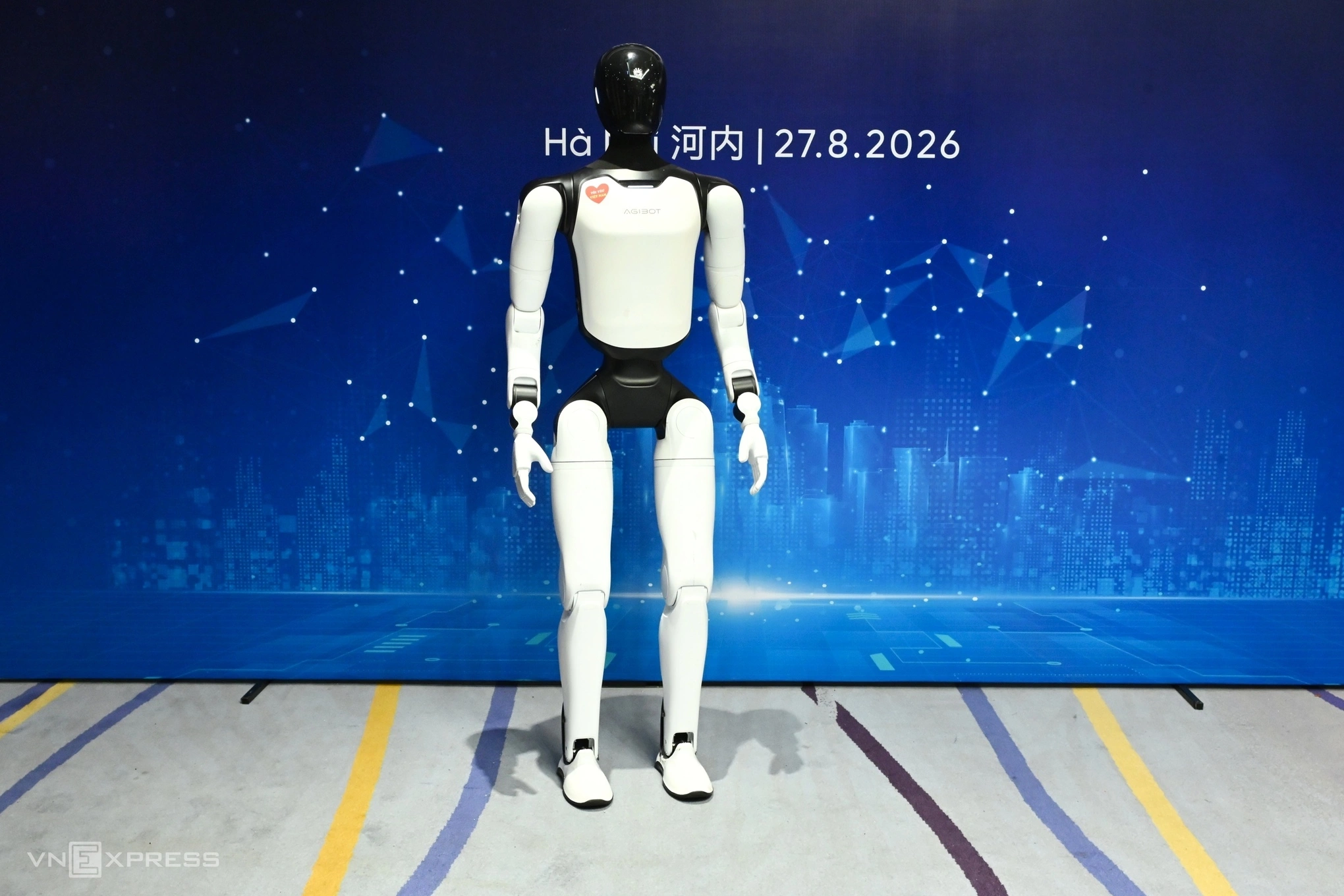
Hanoi — Chinese companies have proposed cooperation with Vietnam on data centers, computing infrastructure, as well as AI applications and use cases.
 By Alex Rowland
 Anthropic has doubled the five-hour usage limits for Claude Code across its Pro, Max, Team, and Enterprise plans.
 By Daniel Mercer
 OpenAI, together with AMD, Broadcom, Intel, Microsoft, and NVIDIA, has developed a new networking protocol called MRC (Multipath Reliable Connection). It is designed to make data transfer between GPUs in large AI supercomputers faster and more stable — and, in particular, to improve AI training performance.
 By Chris Borden
 The Solana Foundation, in partnership with Google Cloud, has launched Pay.sh — a payment system designed for AI agents. Built on an open standard, the protocol allows agents to discover APIs, access them, and pay for usage in stablecoins on the Solana network.
 By Alex Rowland
 OpenAI's first AI hardware device will likely be a smartphone. According to analyst Ming-Chi Kuo, OpenAI is working with chipmakers MediaTek and Qualcomm, as well as manufacturing partner Luxshare, on its own AI smartphone. Mass production was originally planned for 2028, but could begin as early as the first half of 2027, Kuo says.
 By Chris Borden
 Tencent has released a compact AI translation model as an open-weight model that, according to the company, outperforms Google Translate and runs entirely offline on smartphones. The model, Hy-MT1.5-1.8B-1.25bit, supports 33 languages — including English, Chinese, Japanese, French, German, Tibetan, and Mongolian — and covers 5 dialects across 1,056 translation directions.
 By Alex Rowland
 Alphabet — Google's parent company — reported strong demand for its cloud services and artificial intelligence solutions, according to Bloomberg.
 By Chris Borden
 OpenAI has introduced “workspace agents” in ChatGPT, allowing teams to create shared AI assistants for complex tasks and long-running workflows.
 By Chris Borden
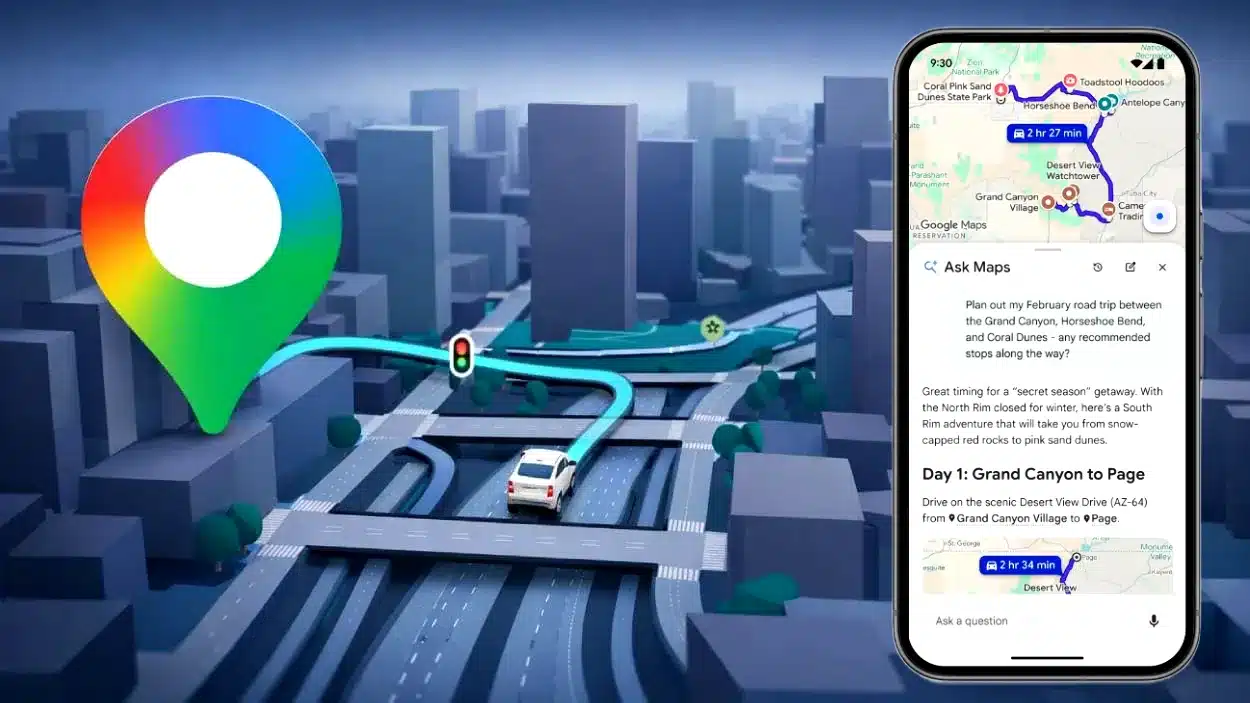
 Google has announced three new AI-powered imaging tools at Cloud Next. The goal is to let creative teams place AI-generated visuals into real street-level locations, while giving urban planners and analysts faster ways to interpret satellite imagery.
 By Alex Rowland
 Google used Cloud Next ’26 to unveil its eighth-generation TPUs, a revamped agent platform, and a new AI layer for Workspace. The company is grouping all of these announcements under the label “Agentic Enterprise.”


 ES
ES  EN
EN