Best Overall

- Best-in-class reasoning and writing
- Strong ecosystem and integrations
- Advanced multimodal capabilities
 By Daniel Mercer
 AI research institute Ai2 has unveiled a new set of robotics models trained entirely in simulation and designed to work on real robots without additional manually collected data or fine-tuning — a so-called zero-shot sim-to-real transfer.
 By Chris Borden
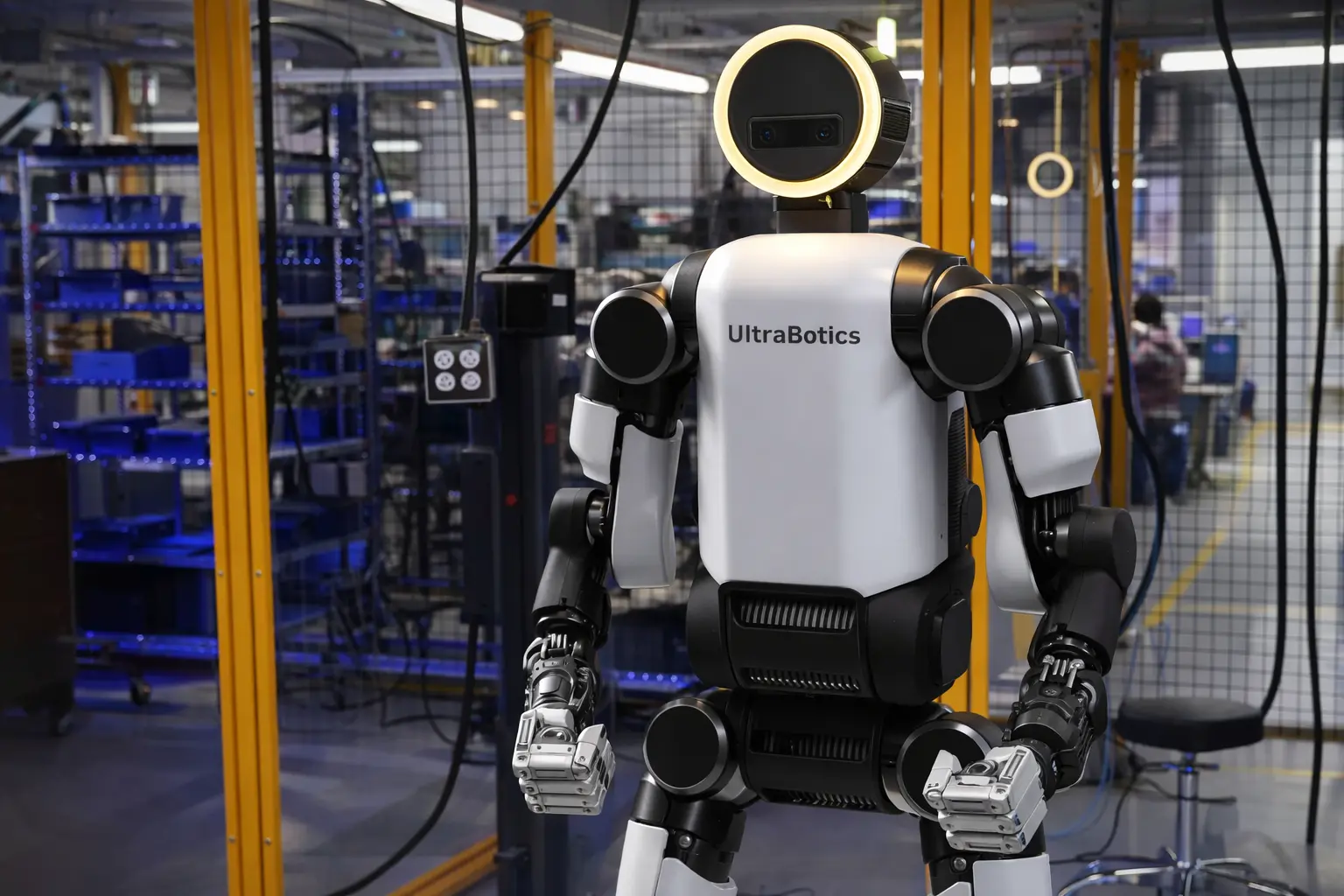
 At CES 2026, Boston Dynamics announced the start of mass production of its humanoid robot Atlas. The first customers are Hyundai, which holds a controlling stake in Boston Dynamics, and Google DeepMind, the company’s new partner in artificial intelligence.
 By Chris Borden
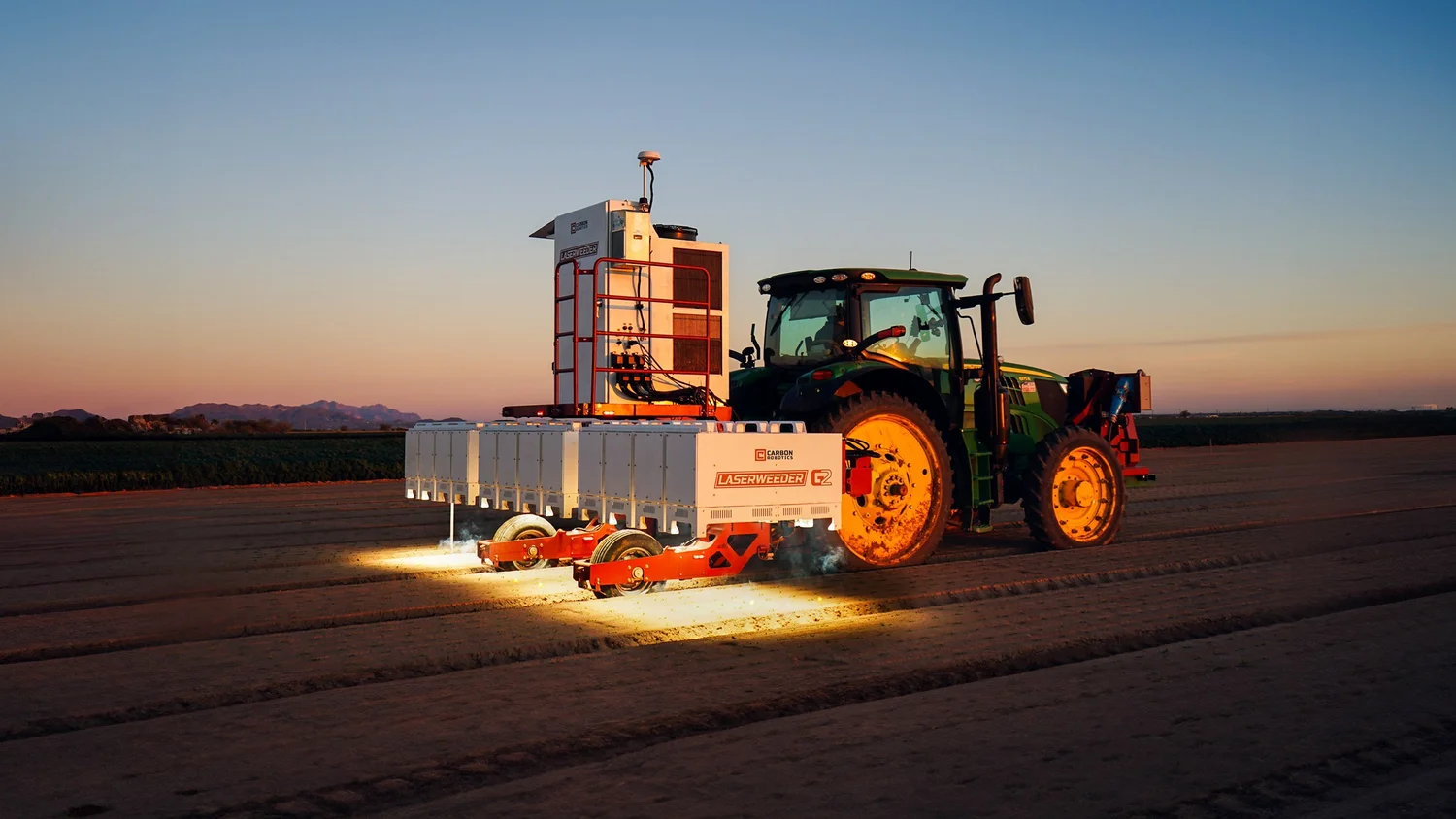
 Carbon Robotics, a Seattle-based company, has unveiled a new AI model called the Large Plant Model (LPM). According to TechCrunch, the model can instantly identify plant species to support weed control.
 By Daniel Mercer
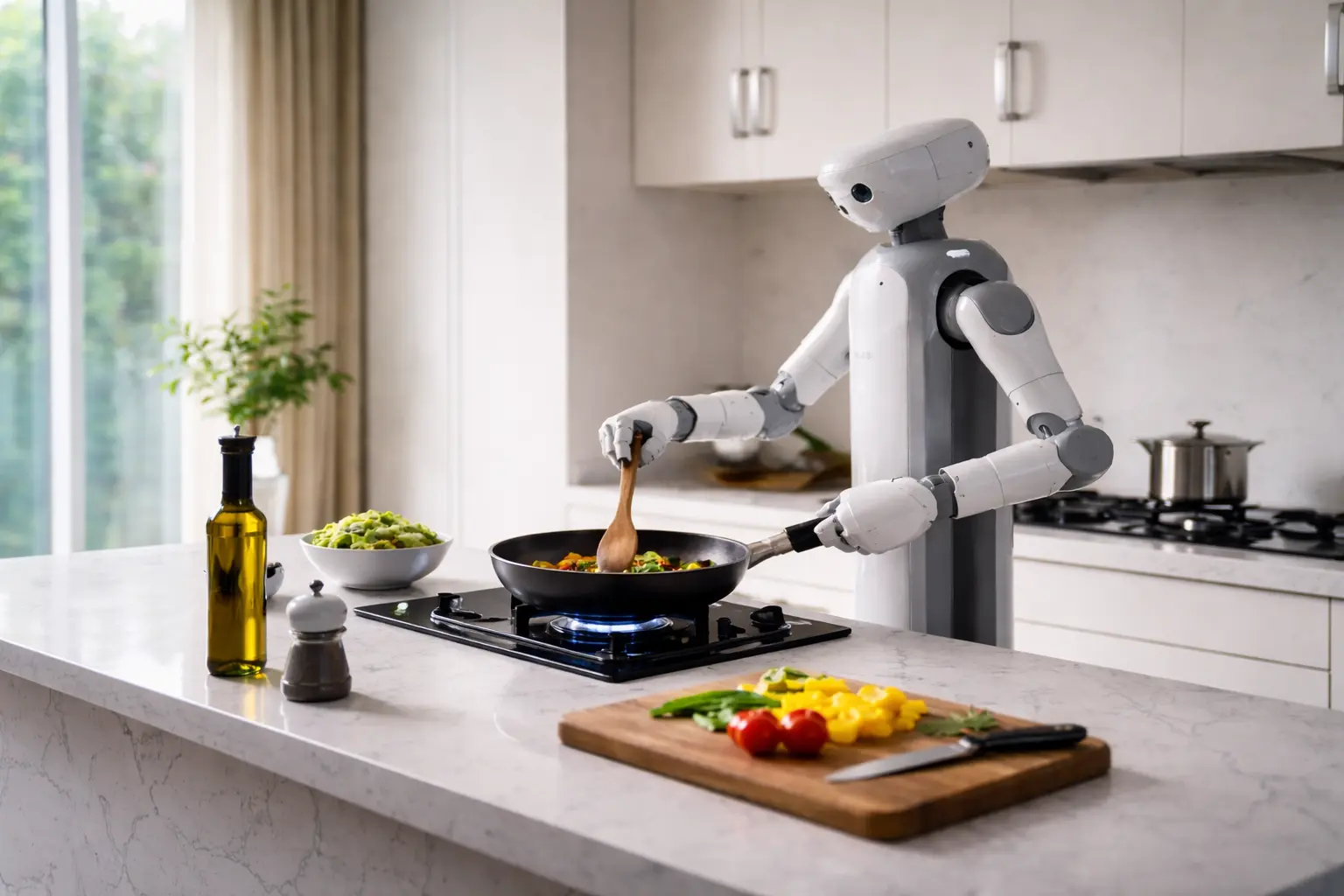
 On January 6, 2026, the CES technology exhibition opened in Las Vegas. Companies are showcasing how artificial intelligence is becoming tangible in the form of humanoid robots.

 By Alex Rowland
 From March 25 to 29, Beijing hosted the ZGC Forum, where developers showcased a wide range of brain–computer interface (BCI) products — from specialized chips to rehabilitation systems. The technologies attracted significant attention from visitors, according to China.org.
By Chris Borden In 2025, Chinese company Unitree Robotics delivered more than 5,500 humanoid robots to customers. The firm ramped up production ahead of a planned IPO, the South China Morning Post reported, citing sources.
 By Daniel Mercer
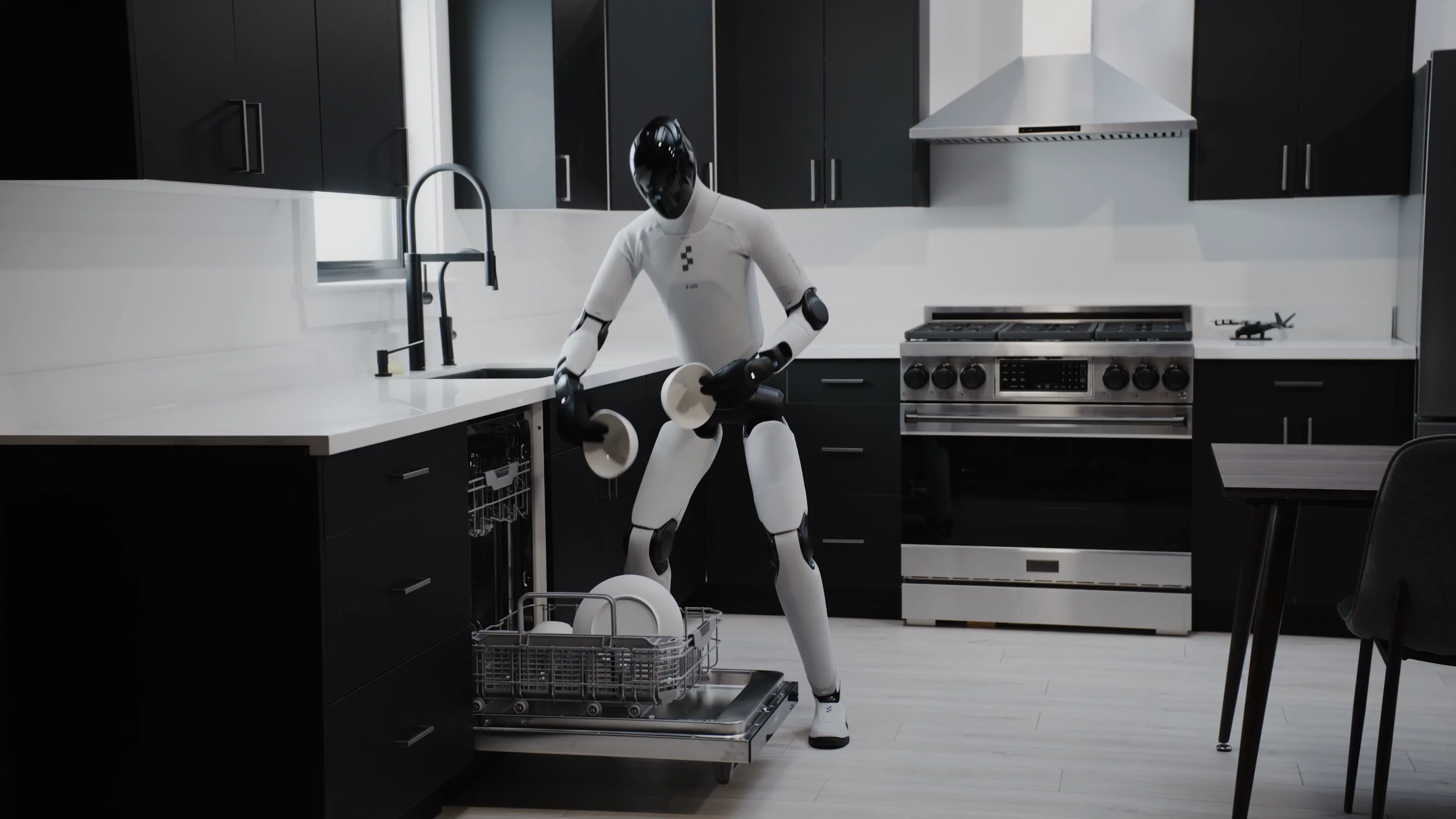
 Figure AI unveils a single neural network that controls a humanoid robot — with a four-minute kitchen demo
 By Alex Rowland
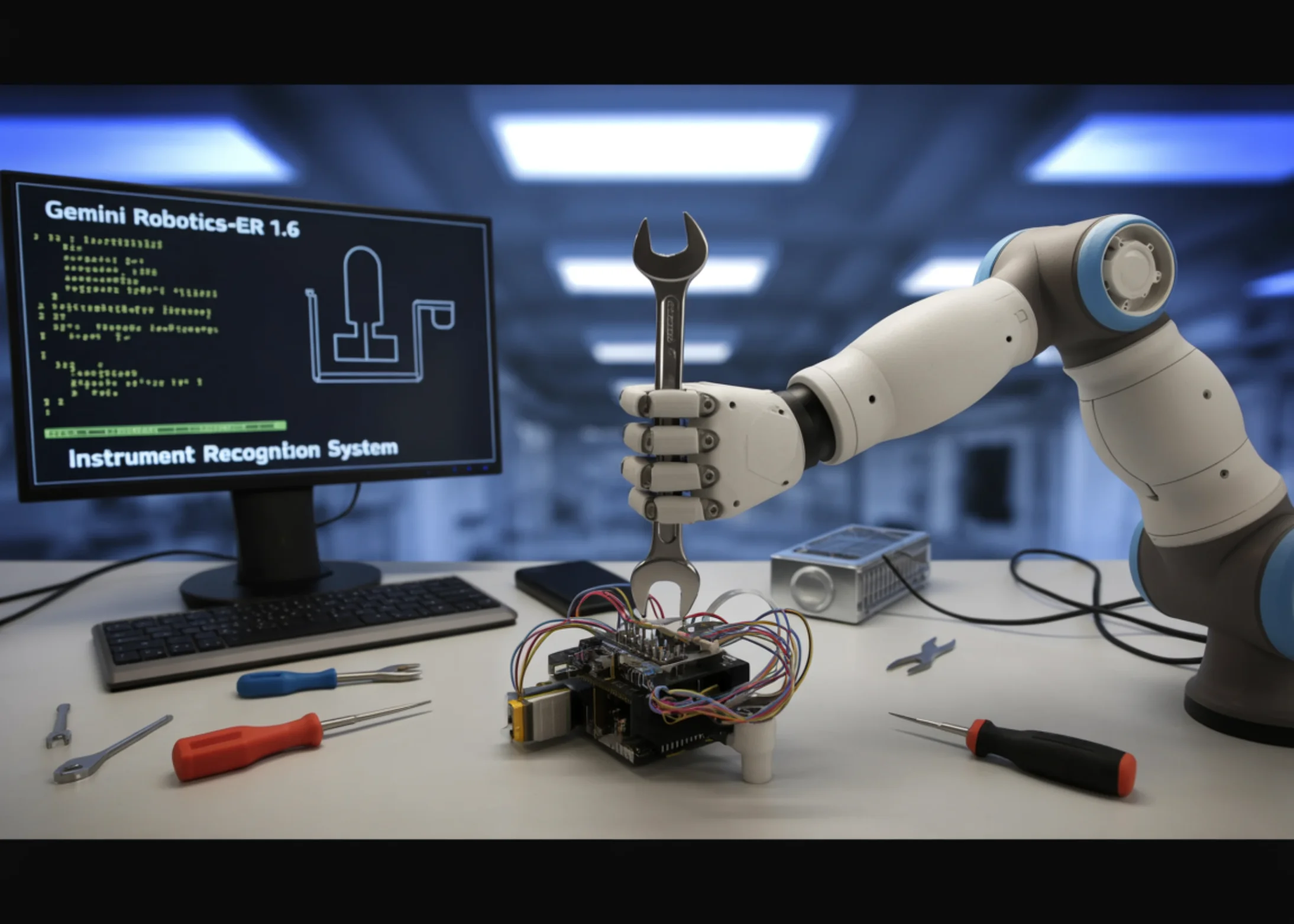
 Google DeepMind has introduced Gemini Robotics-ER 1.6, an upgraded embodied reasoning model designed to help robots understand physical environments more accurately, plan tasks more independently, and use external tools when needed.
 By Alex Rowland
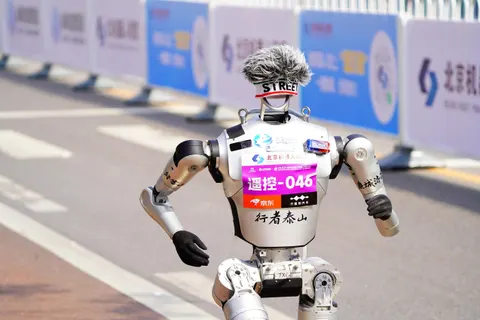
 At the second half marathon for humanoid robots in Beijing, Chinese machines posted dramatically better times on Sunday than they did a year ago. The winning robot, developed by smartphone maker Honor, completed the 21-kilometer race in 50 minutes and 26 seconds, beating the current human half-marathon world record set by Uganda’s Jacob Kiplimo in Lisbon the previous month. Honor, a Huawei spinout, took all three podium places, according to Reuters. Last year’s winning robot needed 2 hours and 40 minutes, more than twice as long as the human winner of the regular race.


 ES
ES  EN
EN