
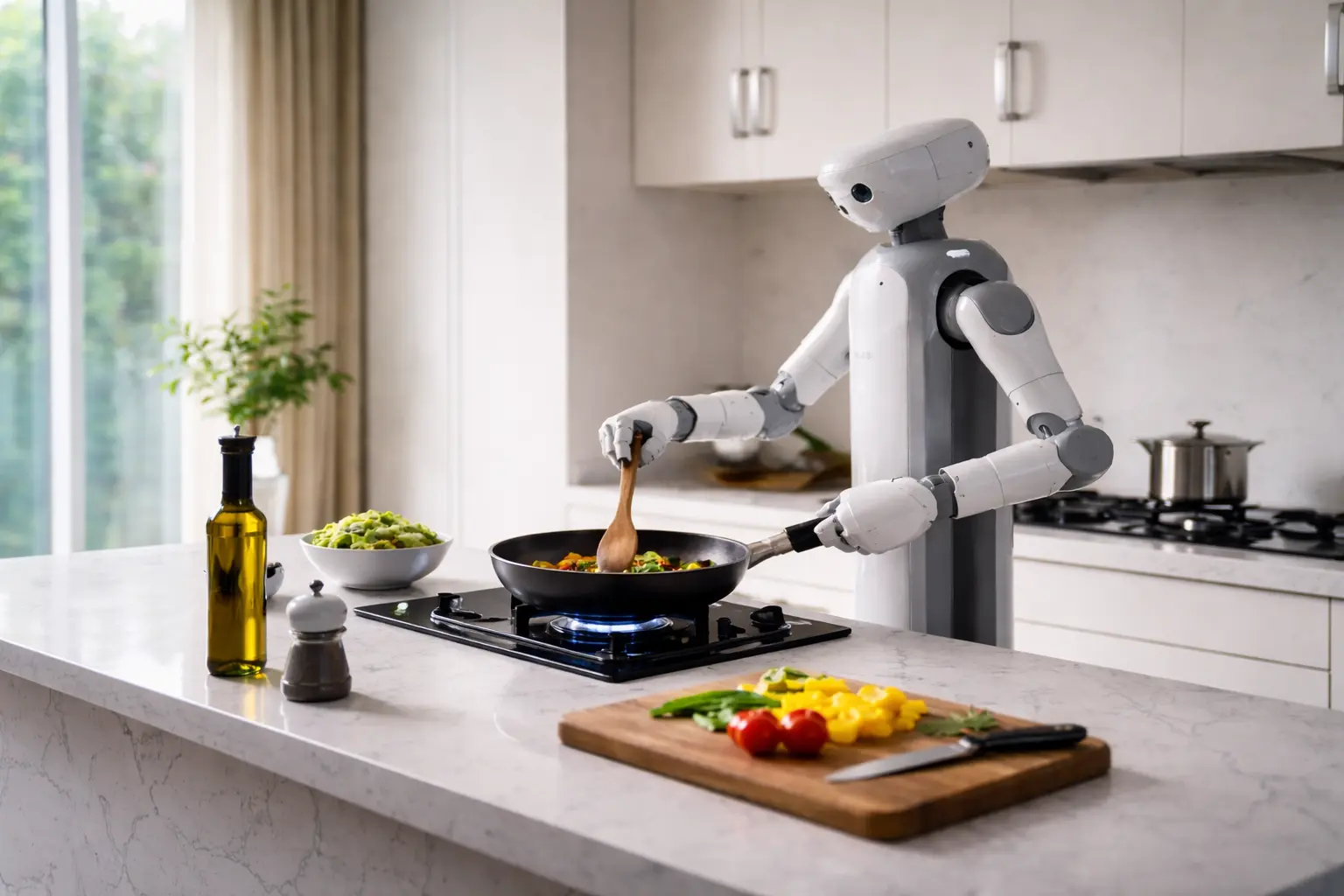
The global tech industry is currently focused on Las Vegas. CES, one of the world’s most important consumer electronics shows, is traditionally seen as a barometer of trends for the coming months. This year’s central theme is artificial intelligence. AI is increasingly moving beyond simple gadgets and becoming physically embodied in humanoid robots. The exhibition officially opened on January 6, although key presentations and press conferences began earlier, on January 4.
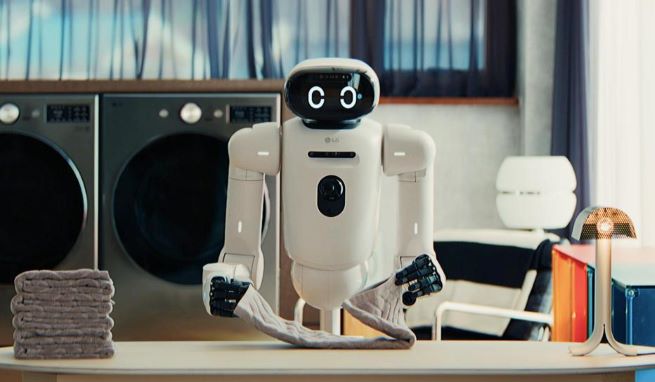
The CLOiD robot presented by LG at CES this year is capable of holding objects. This is made possible by the robot’s humanoid hands and fingers. LG claims that CLOiD can take on a wide range of household tasks.
These include folding laundry or unloading a dishwasher. Powered by artificial intelligence, the robot understands what needs to be done and can move independently around an apartment using wheels. LG has not yet disclosed pricing details or a market launch date.
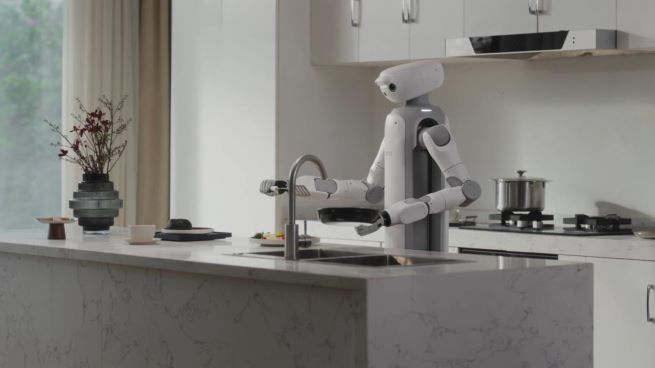
SwitchBot’s Onero H1 robot is expected to cost around $10,000 and is scheduled to go on sale by the end of 2026. Onero H1 also has a humanoid form, with two arms and articulated hands. It uses wheels to move around the home and perform various domestic tasks.
In a demonstration video, SwitchBot shows the robot carrying out activities ranging from cooking and loading a washing machine to watering plants. The robot is also expected to handle demanding chores such as window cleaning. It is equipped with an AI system that helps it navigate the home environment and complete its tasks.
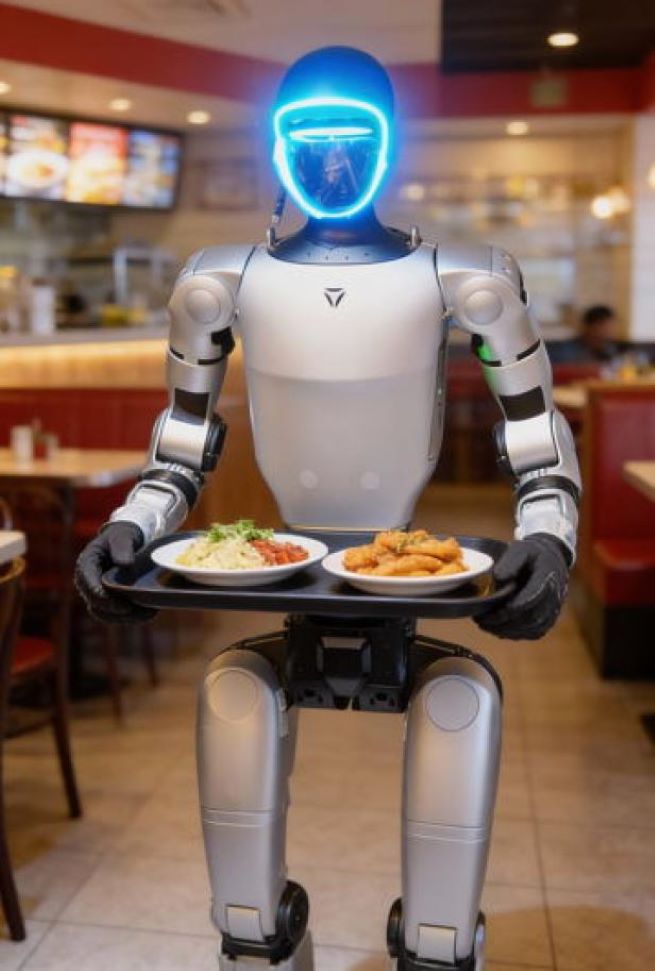
At CES, Starbot showcased a robot designed to operate as a waiter. The same platform is also intended for use in hotels or as a security robot.
Even with advanced AI, adapting robots to every home, appliance, and object they must interact with remains a massive technical challenge. Still, it is conceivable that one day “mechanical butlers” will be able to manage households as effectively as humans.
Conclusion
CES 2026 clearly signals a shift from conceptual AI to embodied, real-world automation. Humanoid robots are no longer positioned as distant experiments but as emerging domestic and service platforms, aimed at addressing labor shortages and routine tasks in homes, hotels, and public spaces.
 ES
ES  EN
EN