
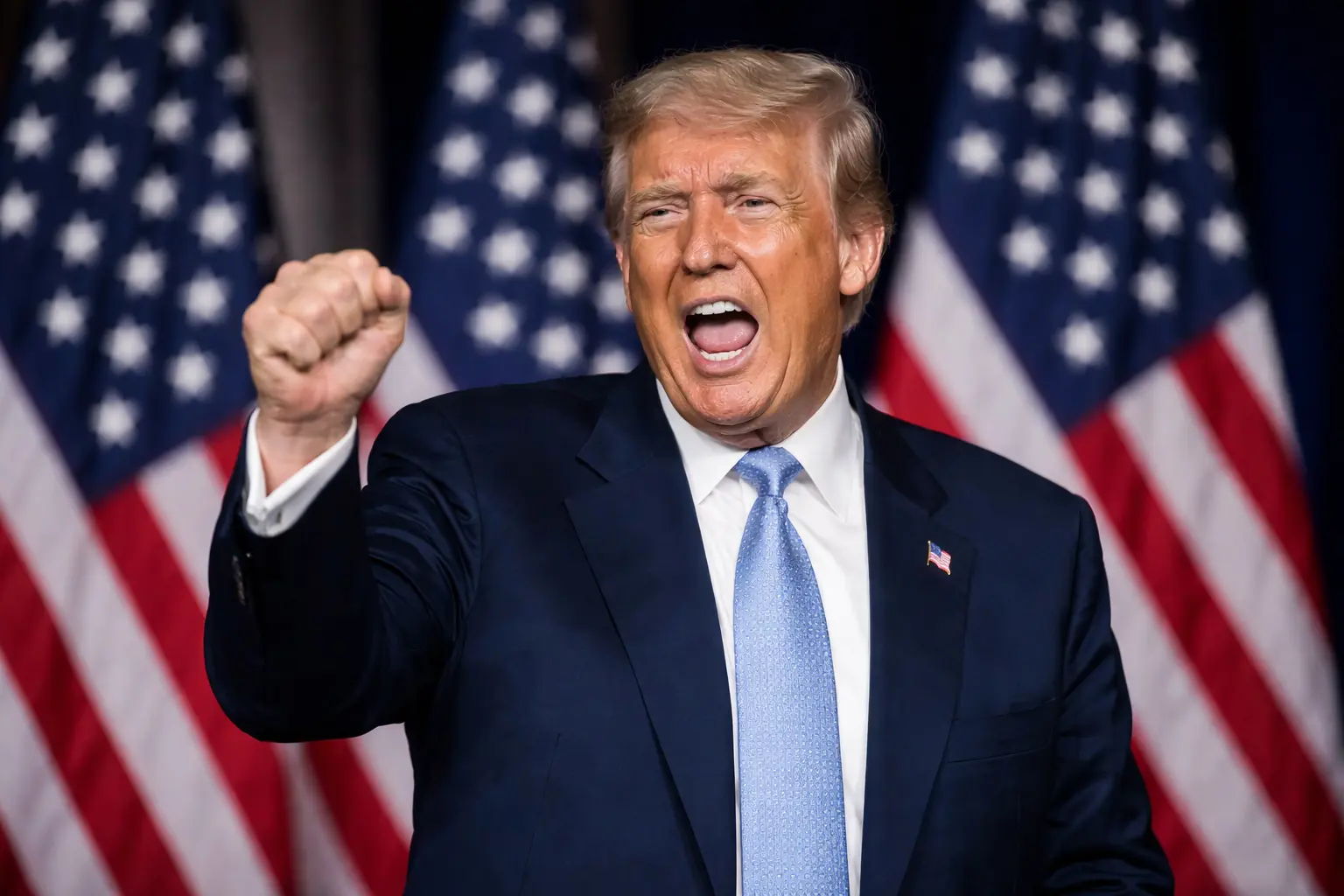
According to the order, the initiative is intended to secure U.S. leadership in the AI sector. “To succeed, American AI companies must be able to innovate freely without burdensome regulation. However, excessive regulation at the state level undermines this objective,” the executive order states.
As part of the directive, Trump instructed the U.S. Attorney General to establish an AI litigation task force within 30 days. In addition, the U.S. Secretary of Commerce has been tasked with consulting relevant officials and, within 90 days, publishing an assessment of existing state-level AI laws, identifying regulations deemed overly restrictive or inconsistent with federal policy. Within the same timeframe, the Commerce Department must also issue guidance outlining the conditions under which states will remain eligible for funding under the Broadband Equity, Access, and Deployment (BEAD) Program.
White House Staff Secretary Will Scharf said the executive order requires the administration to ensure that AI operates under a single national regulatory system, rather than a patchwork of differing state rules.
Separately, Politico reported that the Trump administration plans to form an international coalition to counter China’s dominance in critical resources and artificial intelligence. On December 12, the United States is expected to sign a joint declaration with Israel, Australia, Singapore, South Korea, and Japan aimed at addressing shortages in access to critical minerals and countering China’s heavy investments in resource extraction and advanced technologies.
Earlier, on November 19, Trump urged Congress to establish a unified federal AI standard, warning that fragmented state-level regulations could slow the development of a technology vital to the U.S. economy. He argued that without such measures, China could quickly catch up to the United States in the global AI race.
Nvidia CEO Jensen Huang has also warned that China could emerge as a leader in artificial intelligence, citing lower electricity costs and more lenient regulatory conditions in the country. Huang made these remarks after the Trump administration upheld restrictions on the export of Nvidia’s most advanced AI chips to China, including its Blackwell architecture.
 ES
ES  EN
EN