
Artificial intelligence could surpass human intelligence as early as 2026, according to Elon Musk.
Tesla, SpaceX, and xAI CEO Elon Musk made the statement during a conversation with BlackRock CEO Larry Fink at the World Economic Forum in Davos.
“I think by the end of this year we may have AI that is smarter than any human. No later than next year. By 2030 or 2031, a neural network will be smarter than all of humanity,” Musk said.
Musk’s comments place him among a growing group of tech leaders who believe that artificial general intelligence (AGI) will emerge within a few years rather than decades. This prospect is fueling concerns about major disruptions to labor markets.
The Tesla CEO argues that the true economic potential of AI will not be unlocked through software, but through its integration into humanoid robots capable of performing physical labor at industrial scale.
“If you have ubiquitous AI that is free or nearly free, combined with robotics, you’ll get an explosion in global economic growth,” the billionaire said.
Musk also reaffirmed his belief that humanoid robots will eventually outnumber humans
“My vision of a positive future is that we create so many robots and AIs that they satisfy all human needs,” he added.
Optimus
Musk revealed that Tesla is already using early versions of its humanoid robot, Optimus, in its factories. The robots currently perform basic operations, with more complex tasks expected to be introduced by the end of 2026.
Tesla also plans to begin selling humanoid robots to the general public by the end of 2027.
Musk emphasized the importance of transitioning to solar energy to support the rapid development of robotics and AI.
“The Sun is by far the largest energy source. If you look beyond Earth, it provides up to 100% of all energy. The Sun accounts for 99.8% of the mass of the solar system,” he said.
At the same time, Musk stressed the need for caution in AI and robotics development.
“We don’t want to end up in a James Cameron ‘Terminator’ movie,” he noted.
Tesla Robotaxi
Another key automation focus for Tesla is robotaxis. The company has already begun offering real rides to customers in Austin.
In December 2025, Tesla launched fully autonomous taxis without safety drivers, although initially without passengers. In June, the first test rides with passengers began. One participant praised the vehicle’s high speed and autonomous parking capabilities.
Tesla’s head of AI, Ashok Elluswamy, said that “several” robotaxis in the fleet will operate without supervision, with that number expected to grow over time.
China Takes the Lead
While Tesla is targeting robot sales for late 2027, Chinese startups are already delivering thousands of humanoid robots annually.
In 2025, Chinese company Unitree Robotics shipped more than 5,500 humanoid robots to customers, ramping up production ahead of a planned IPO. Its annual output exceeded 6,000 units, excluding wheeled models and other robotics products.
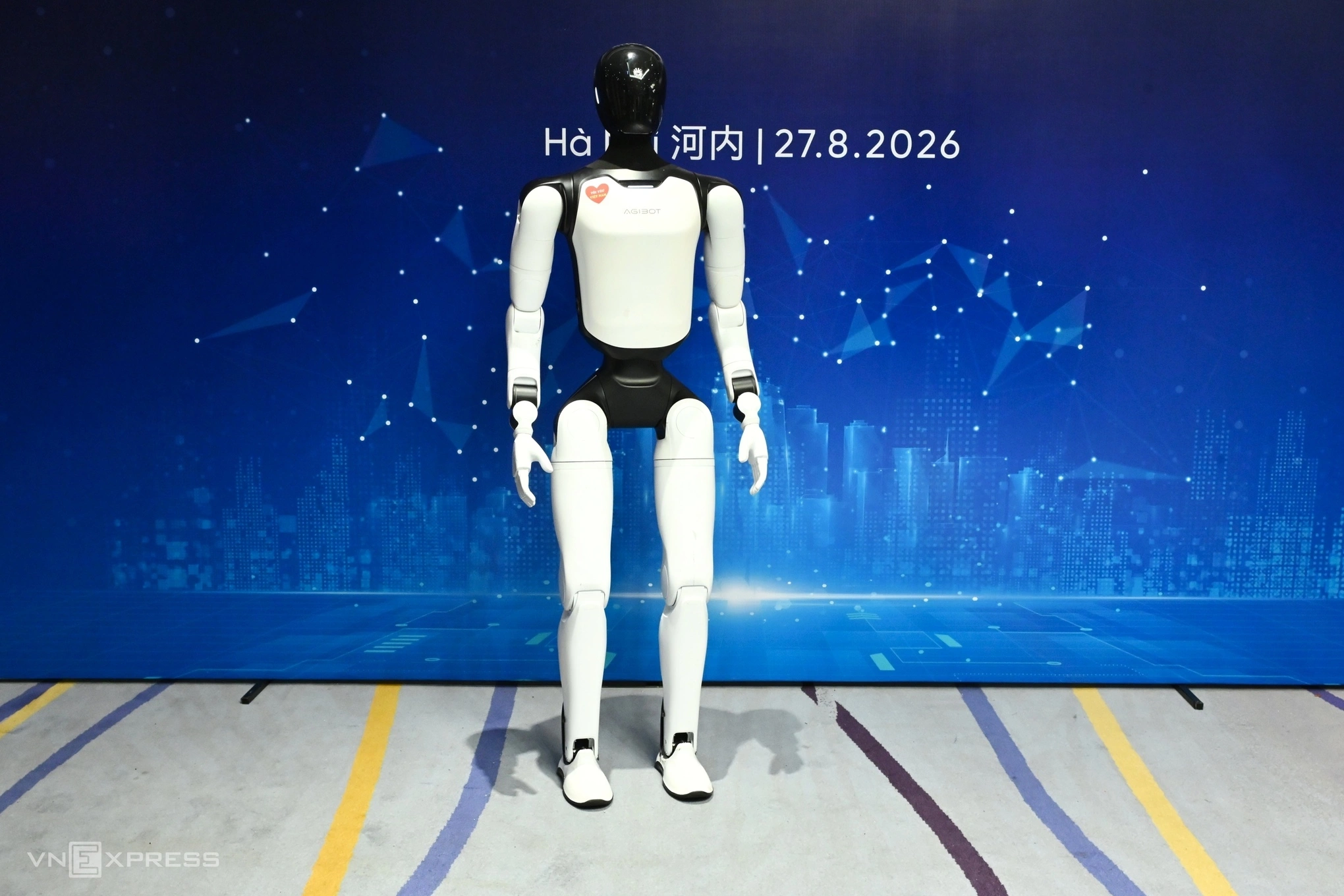
Unitree became the leading humanoid robot manufacturer in China in 2025. However, some reports rank AgiBot first globally, with over 5,000 units sold and $142 million in revenue.
A new report from Counterpoint Research shows that in 2025, China accounted for more than four out of every five humanoid robots sold worldwide.
Global shipments reached 16,000 units, primarily used for data collection and research, as well as in logistics, manufacturing, and the automotive sector.
Conclusion:
Elon Musk’s forecasts point to the rapid arrival of the AGI era and large-scale robotics, which could fundamentally reshape the global economy and labor markets in the coming years. China is already leading in the industrial deployment of humanoid robots, while the United States is betting on a major technological leap. As a result, competition for leadership in AI and robotics is becoming a central driver of global economic transformation.



 ES
ES  EN
EN