
What we know
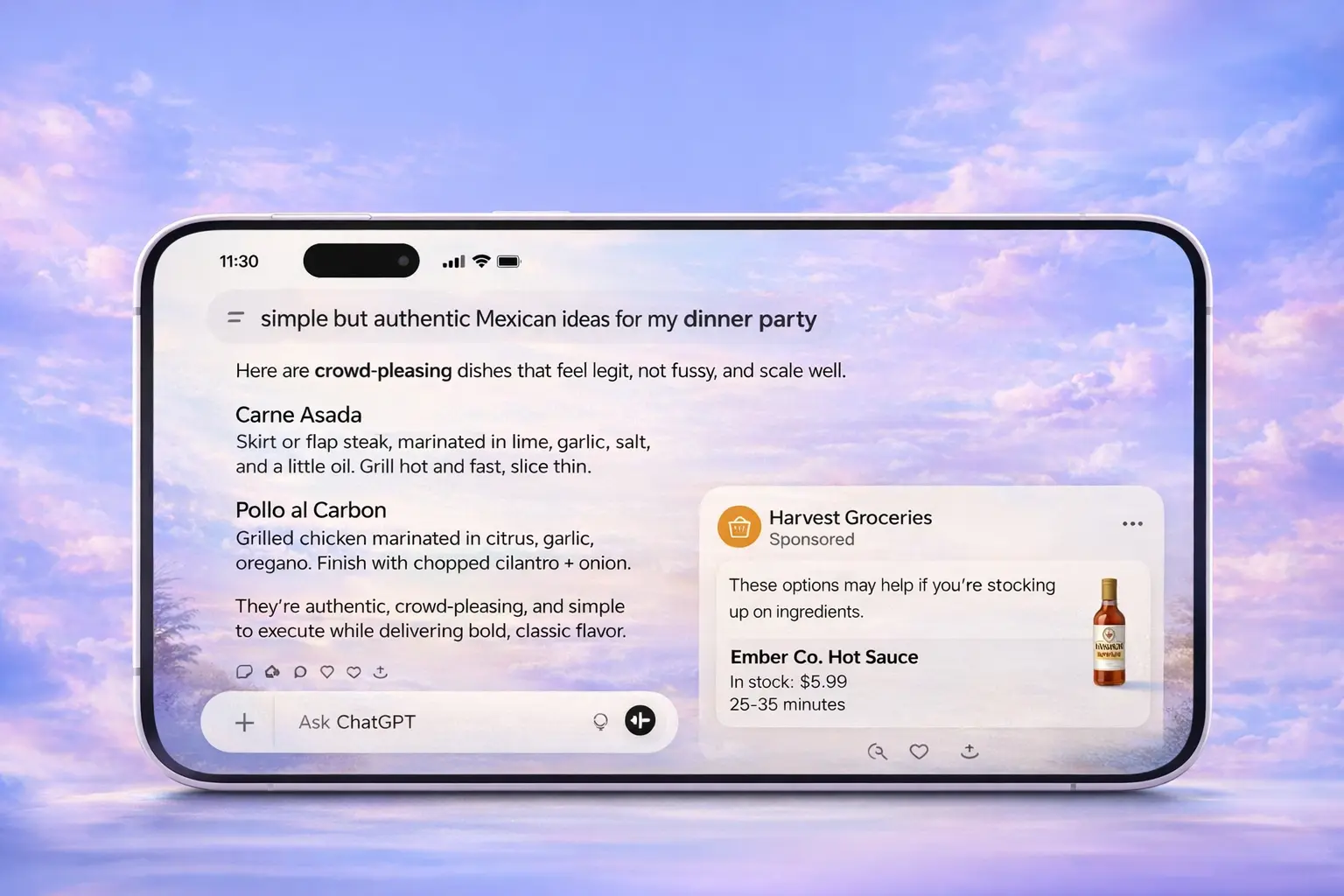
The company emphasizes that ads will be clearly labeled, visually separated from answers, and will not influence the content of generated responses. According to OpenAI, all answers continue to be optimized solely for user usefulness.
Ads will not appear in conversations on sensitive topics, including health, mental well-being, or politics. Advertising will also be disabled in chats involving minors. OpenAI states that it does not sell user data to advertisers and gives users the ability to turn off ad personalization and delete data used for displaying sponsored content.
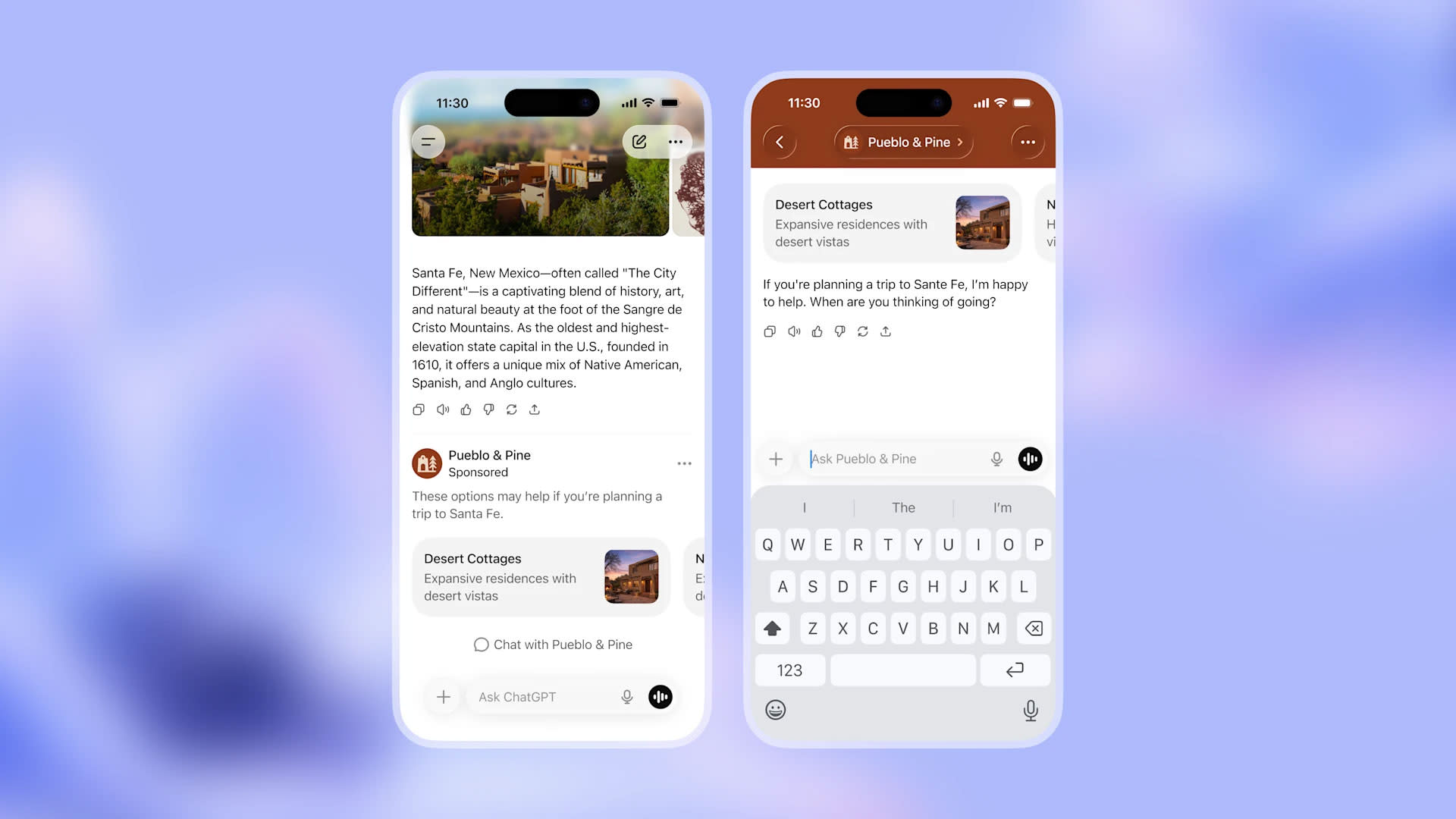
Users will be able to ask follow-up questions directly to ad blocks, which differentiates this format from traditional advertising. If a user does not interact with an ad, the system may ask for feedback on why. OpenAI says it is experimenting with new ad formats designed to be relevant and genuinely useful, while reiterating that its primary goal remains building products users are willing to pay for.
At the same time, OpenAI is launching a new ChatGPT Go plan in the US. The subscription costs $8 per month and has been available in India since August. The plan includes higher limits on messages, file uploads, and image generation, as well as expanded context windows for longer conversations. However, ads will still be shown on this tier. To remove advertising entirely, users must upgrade to Plus or Pro.
Conclusion
OpenAI is effectively testing an ad model similar to Google Ads: free plans are monetized through sponsored blocks, while a fully ad-free experience becomes a key incentive to upgrade to Plus or Pro. If ads do not interfere with model answers, this approach could become a new standard for mass-market chatbots and AI services, and there is a high likelihood it will be successful. The open question is whether regular users and businesses will be able to advertise their products in a self-serve way, similar to Google Ads.
 ES
ES  EN
EN