

In an interview with the Financial Times, the top executive said that artificial intelligence is approaching “human-level performance” across the majority of office-based tasks.
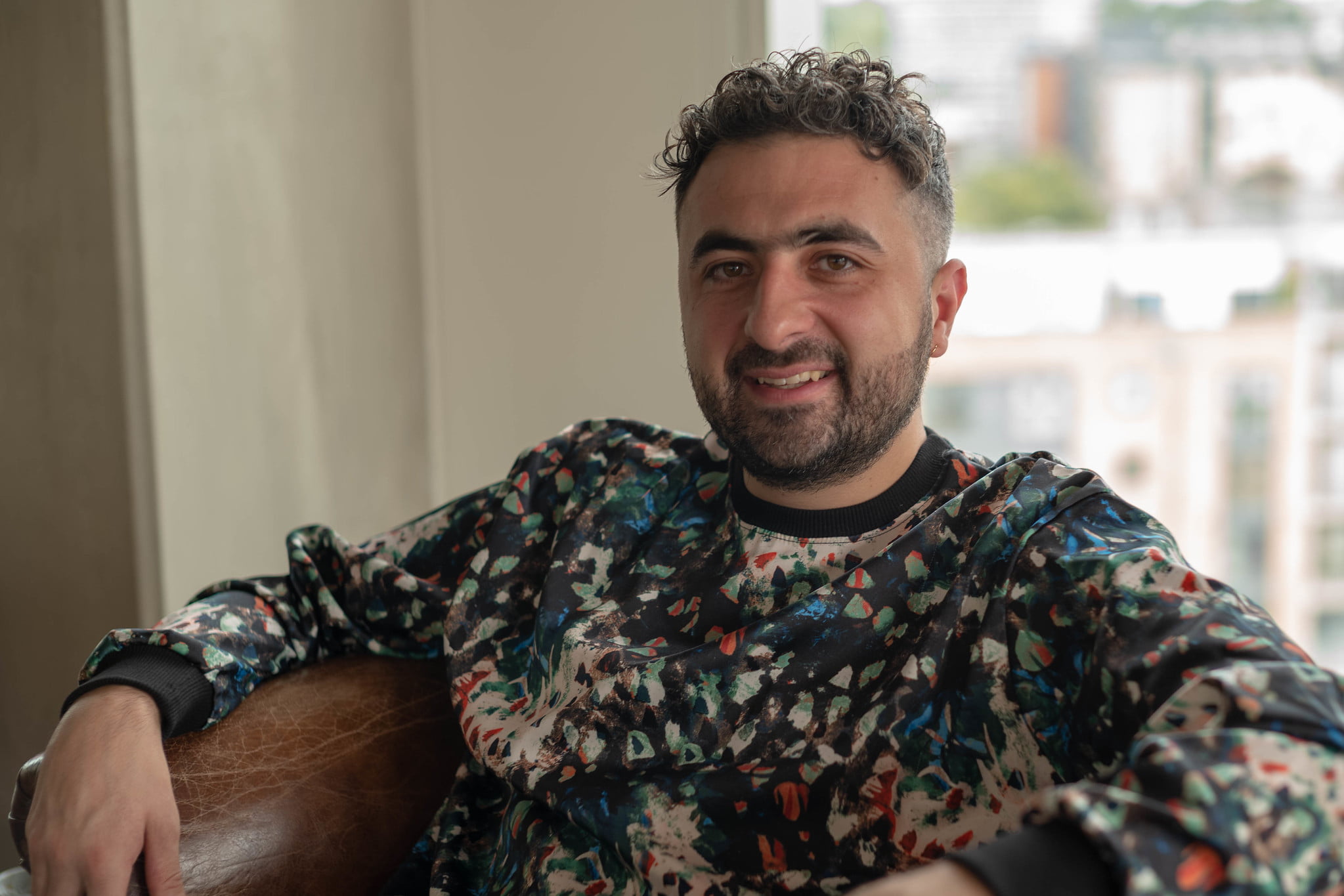
“White-collar work — where you sit at a computer, whether you’re a lawyer, accountant, project manager, or marketer — will be largely automated by artificial intelligence within the next 12 to 18 months,” Suleyman said.
As an example, he pointed to software development, noting that Microsoft engineers now rely on neural networks across most of their workflows.
“This is already a different relationship with technology, and it has formed literally over the past six months,” he added.
Suleyman emphasized that, thanks to rapid growth in compute power, AI models are already outperforming most programmers. This technological shift, he said, justifies large-scale investments in AI companies, including OpenAI.
Despite Microsoft’s close partnership with the creator of ChatGPT, Suleyman stressed the importance of developing in-house AI products to ensure long-term resilience and independence.
“We must build our own frontier models, backed by gigawatt-scale compute and some of the world’s best large-language-model training teams. This is our mission of technological self-sufficiency,” he said.
Professional AGI
Suleyman expects the emergence of what he calls “professional AGI” — a form of artificial general intelligence capable of performing most cognitive tasks at a human level.
Economists echo these concerns, warning that anyone whose job is primarily computer-based faces automation risk.
“The professions at greatest risk are those requiring higher education, offering higher pay, and centered on cognitive work,” said Tobias Sitsma, an economist at the RAND Corporation.
Policymakers are also searching for ways to respond to the displacement of human labor. Senator Bernie Sanders has already planned a visit to California to discuss the issue with industry leaders.
The job singularity
Suleyman’s view aligns with comments from other tech leaders. In January, Robinhood CEO Vlad Tenev said AI will not only displace certain professions but also create entirely new jobs, solo companies, and industries.
“We are on a curve of rapidly accelerating job creation. I call this phenomenon the job singularity — a Cambrian explosion not just of new jobs, but of entire families of professions across virtually every domain,” Tenev said.
 ES
ES  EN
EN