

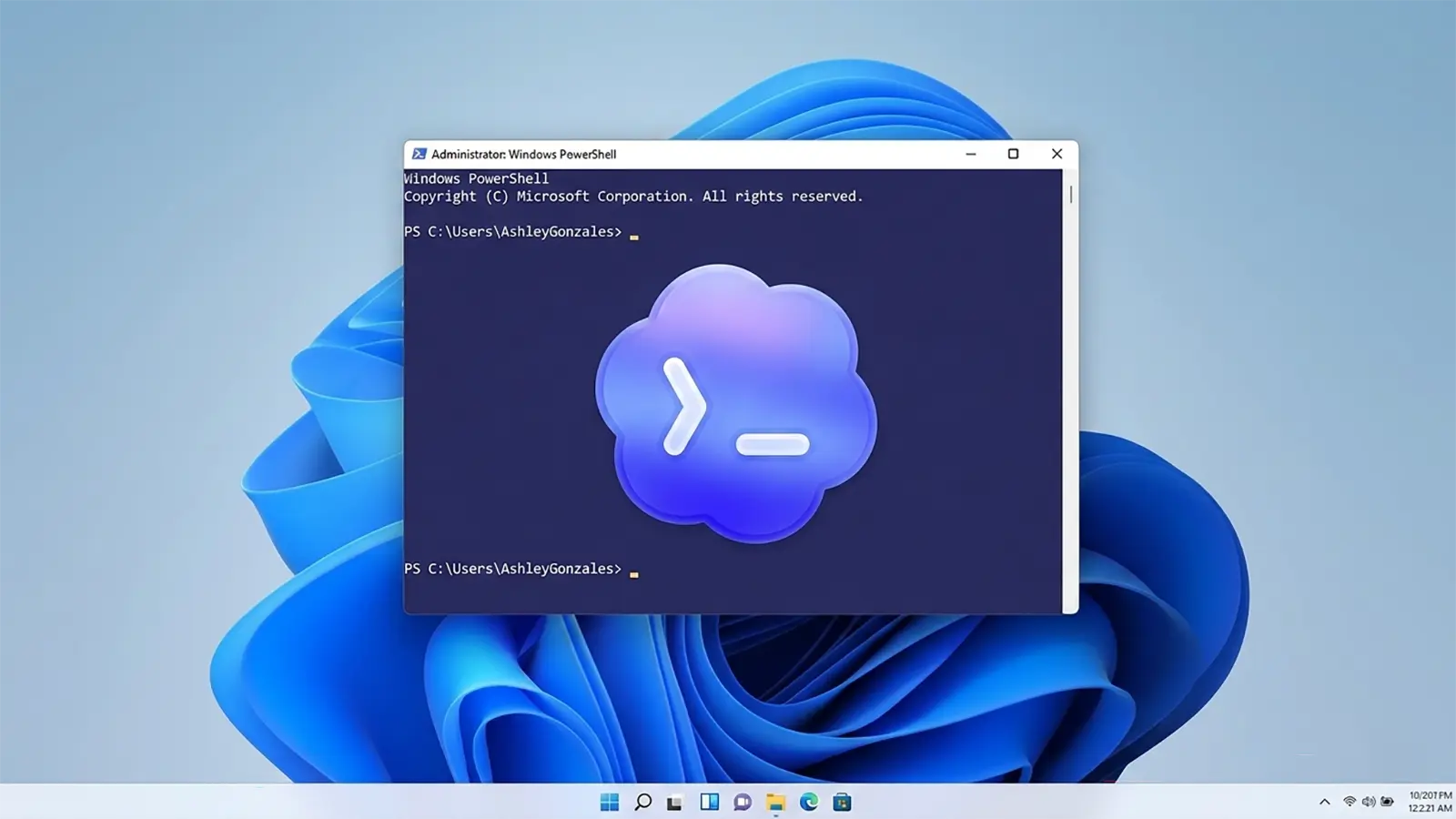



Best Overall

- Best-in-class reasoning and writing
- Strong ecosystem and integrations
- Advanced multimodal capabilities
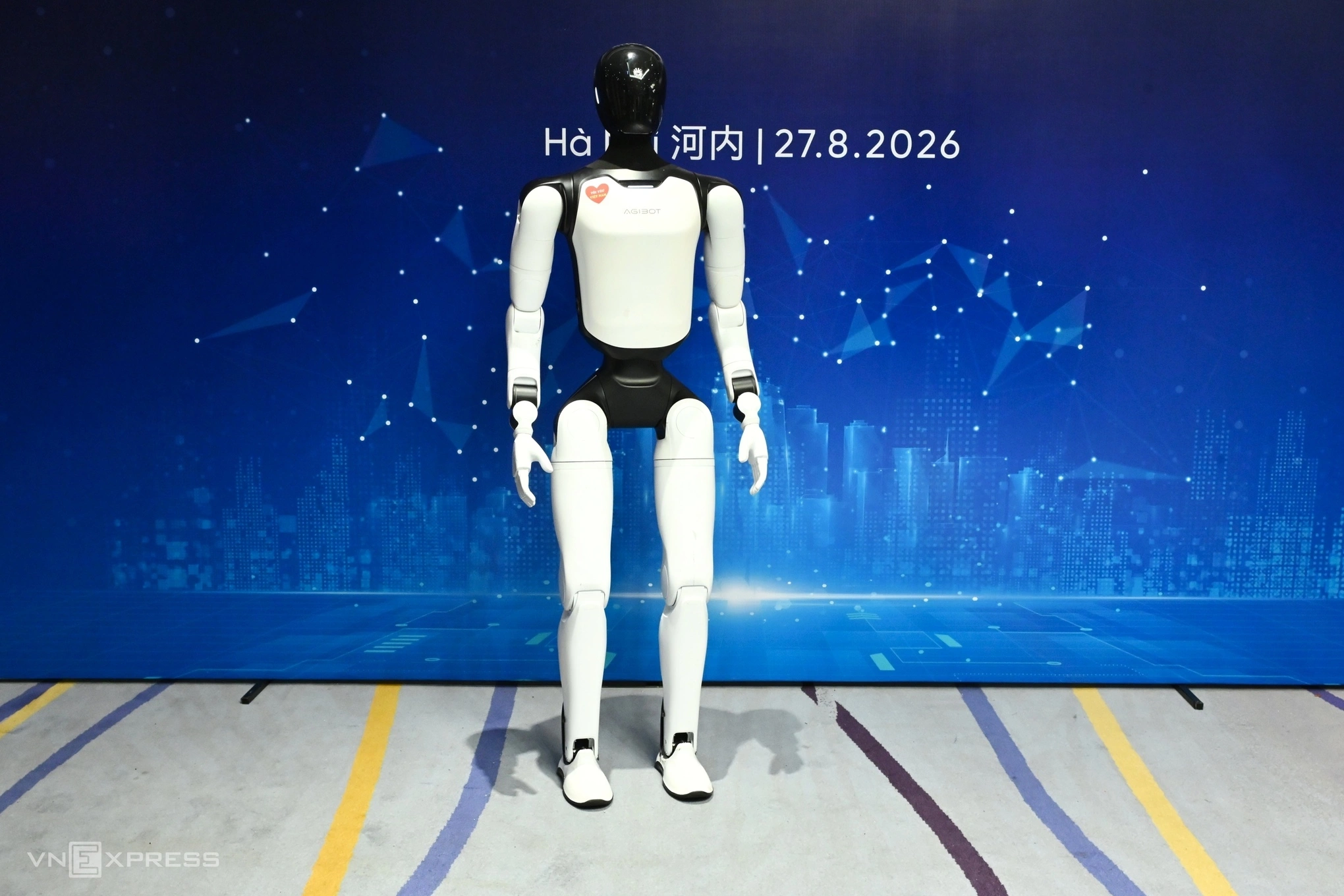
Hanoi — Chinese companies have proposed cooperation with Vietnam on data centers, computing infrastructure, as well as AI applications and use cases.
 By Alex Rowland
 Anthropic has informed users that they will no longer be able to apply Claude subscription limits to third-party interfaces like OpenClaw. Using this feature will require an additional fee.

 By Daniel Mercer
 Cursor released version 3 of its AI-powered editor. The main innovation is a redesigned interface focused on managing AI agents.
 By Alex Rowland
 Google has introduced a so-called “Agent Skill” for the Gemini API designed to close the knowledge gap language models face when SDKs change rapidly. The issue is that AI models, once trained, are unaware of their own updates or the latest best practices. The new skill provides coding agents with up-to-date information on models, SDKs, and example code. In tests across 117 tasks, the success rate of the best model (Gemini 3.1 Pro Preview) increased from 28.2% to 96.6%
 By Daniel Mercer
 Arm Holdings has introduced its own data center chip optimized for AI inference

 By Chris Borden
 Apple is testing a standalone app for its Siri voice assistant along with a new Ask Siri feature. The functionality will work across the company’s entire ecosystem, Bloomberg’s Mark Gurman reported, citing sources.
 By Daniel Mercer
 Google has expanded its Universal Commerce Protocol (UCP) with cart, catalog, and identity features designed to make online shopping easier for AI agents.
 By Daniel Mercer
 Google has introduced a new vibe-coding application in Google AI Studio, designed to allow even non-programmers to turn ideas into fully functional apps using natural language.
 By Daniel Mercer
 ElevenLabs has launched a Music Marketplace where users can publish and sell tracks created with its AI music model, ElevenCreative.
 By Daniel Mercer
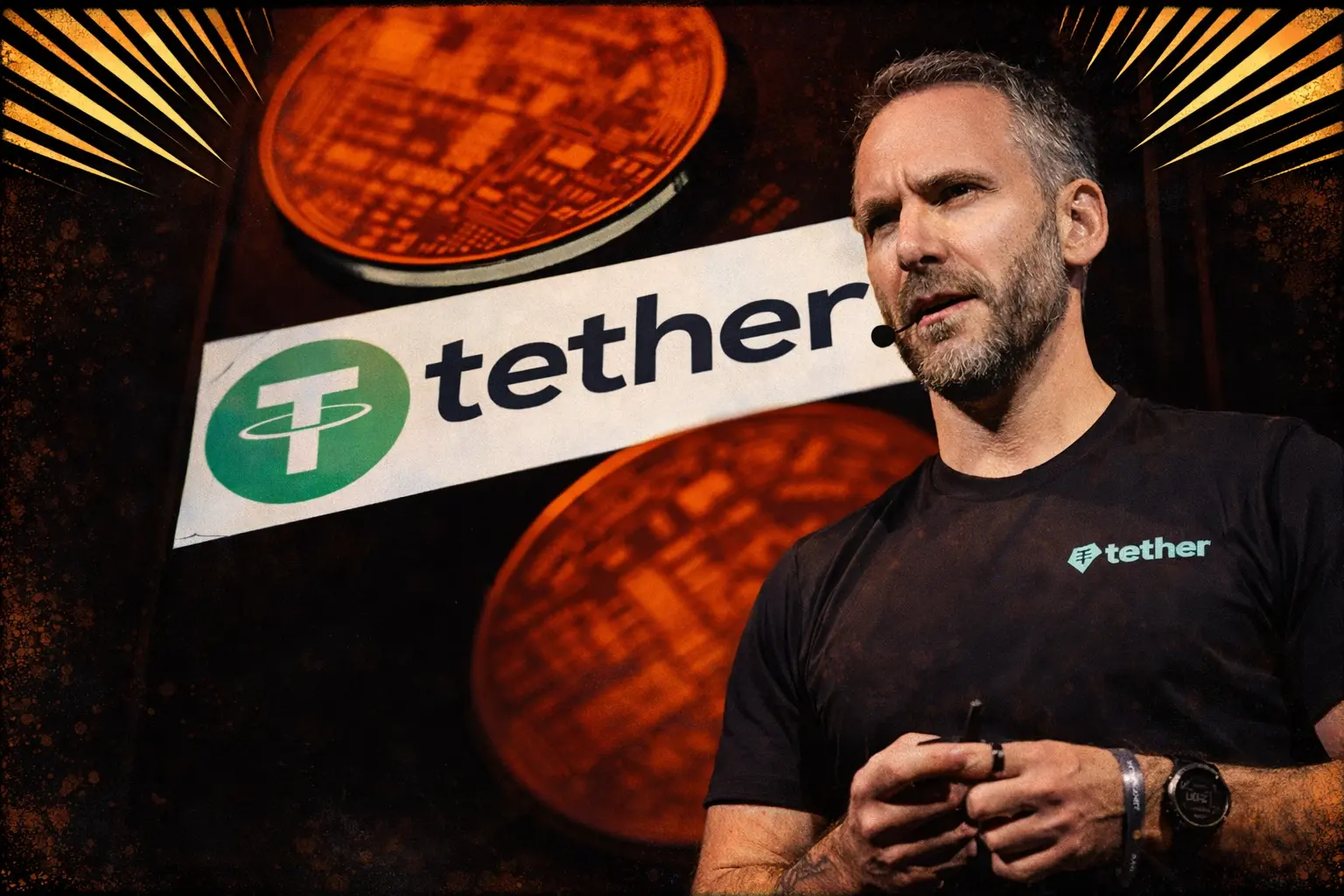
 Tether’s new QVAC Fabric tool enables the training of large-scale artificial intelligence models even on standard laptops and smartphones. The USDT issuer has announced a major technical breakthrough with the launch of a cross-platform LoRA framework designed for BitNet models (1-bit LLMs). The solution is specifically aimed at lowering the entry barriers for AI development, as training models with billions of parameters has traditionally required expensive enterprise-grade Nvidia systems or high-cost cloud infrastructure.


 ES
ES  EN
EN