



Best Overall

- Best-in-class reasoning and writing
- Strong ecosystem and integrations
- Advanced multimodal capabilities

OpenAI has launched GPT-6 Astra, its most capable artificial intelligence model to date. The model can operate computers, complete multistep workflows and handle tasks that would otherwise require continuous human input.


 By Daniel Mercer
 The research team behind Molmo has released a web agent that can operate websites using nothing but screenshots of the screen. Despite their compact size, the models in some cases outperform larger proprietary systems.
 By Alex Rowland
 Google has introduced Lyria 3 Pro, its most advanced AI model for music generation. The system can create tracks up to three minutes long and, according to Google, understands musical structures such as intros, verses, choruses, and bridges better than Lyria 3, which the company unveiled in February.
 By Alex Rowland
 Xiaomi plans to build AI agents capable of controlling software autonomously, shopping in browsers, and eventually operating robots. To support that vision, the company’s in-house MiMo team introduced three models at once.

 By Chris Borden
 OpenAI has redesigned the model selection experience in ChatGPT. Instead of showing individual model names, users now see up to three tiers depending on their subscription: “Instant” for fast, everyday responses, “Thinking” for more complex tasks, and “Pro” for the most powerful models.
 By Alex Rowland
 Microsoft’s AI superintelligence team has unveiled its first product: the image generator MAI-Image-2, which is being integrated into the company’s own products and is also expected to become available via API in the future.
 By Daniel Mercer
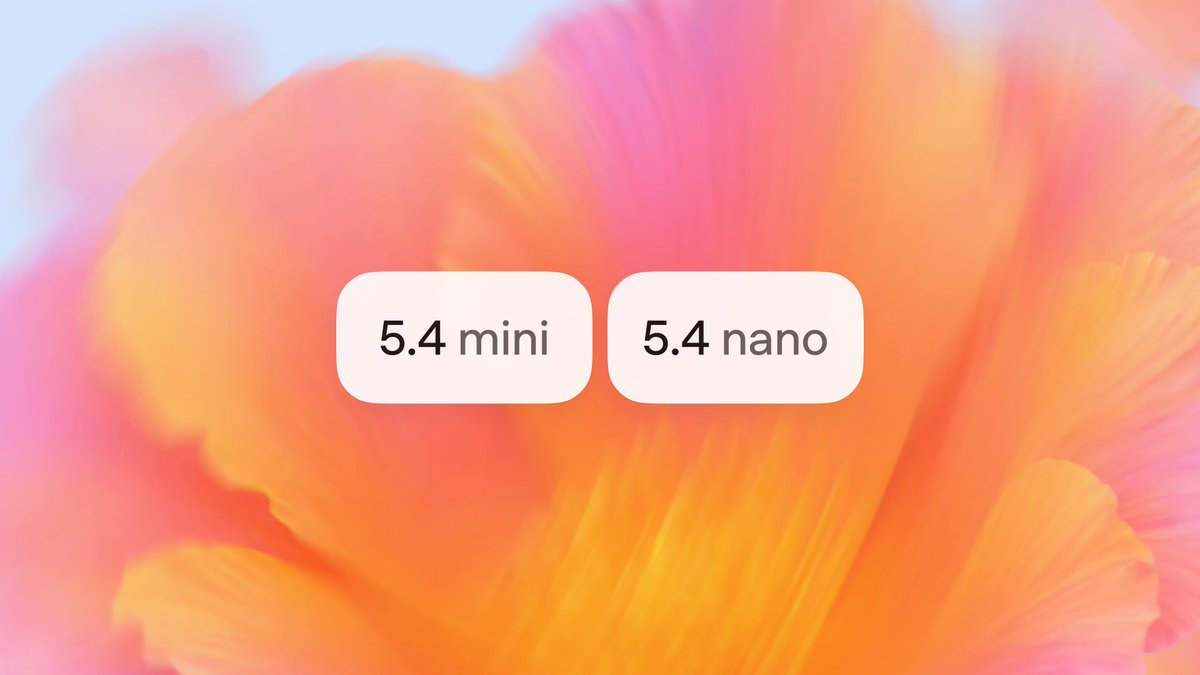
 OpenAI has introduced two new AI models: GPT-5.4 mini and GPT-5.4 nano, both specifically optimized for tasks that require ultra-low latency in response generation.
 By Daniel Mercer
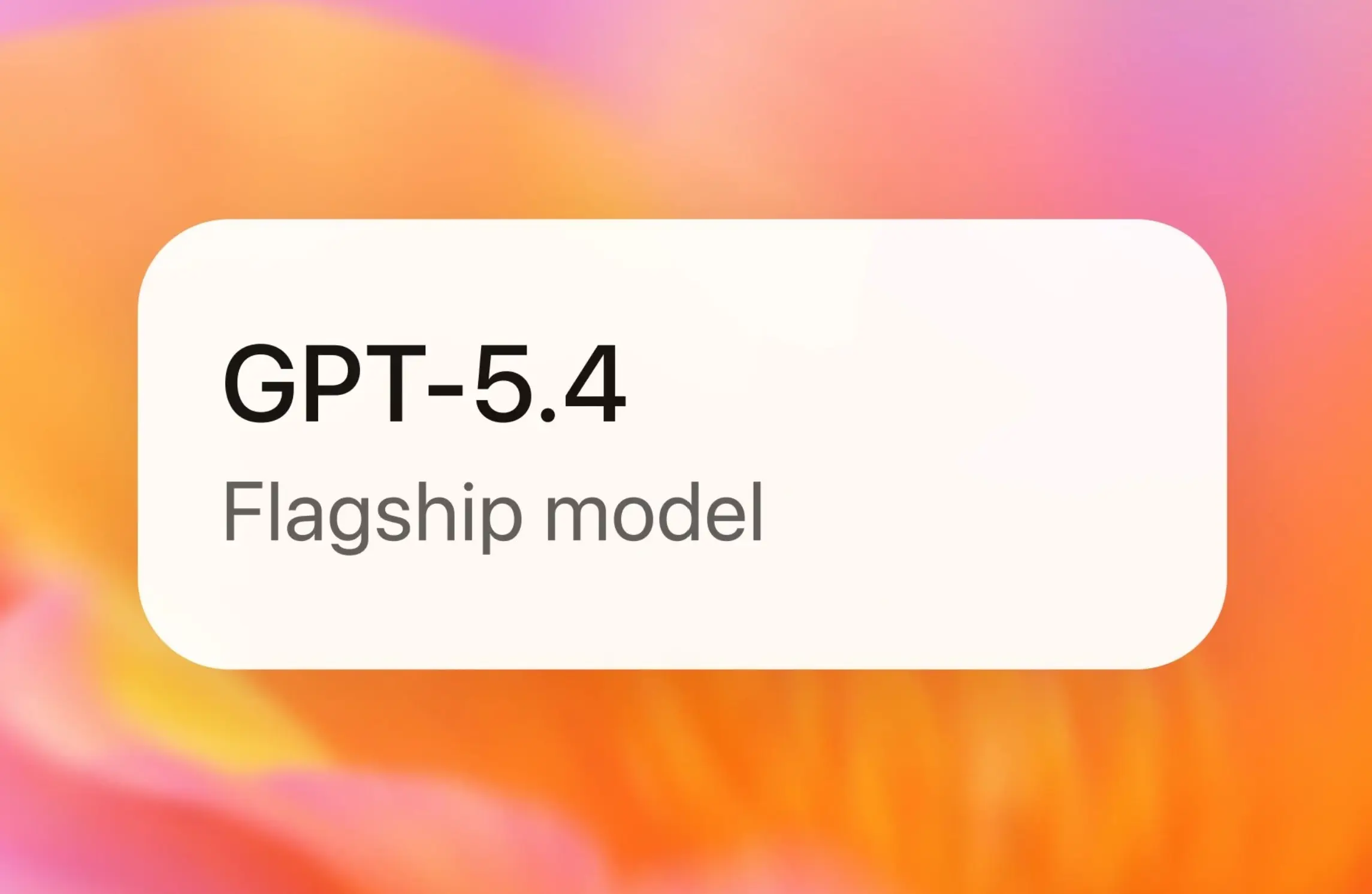
 OpenAI has released GPT-5.4 and GPT-5.4 Pro just two days after launching version 5.3 Instant.
 By Chris Borden
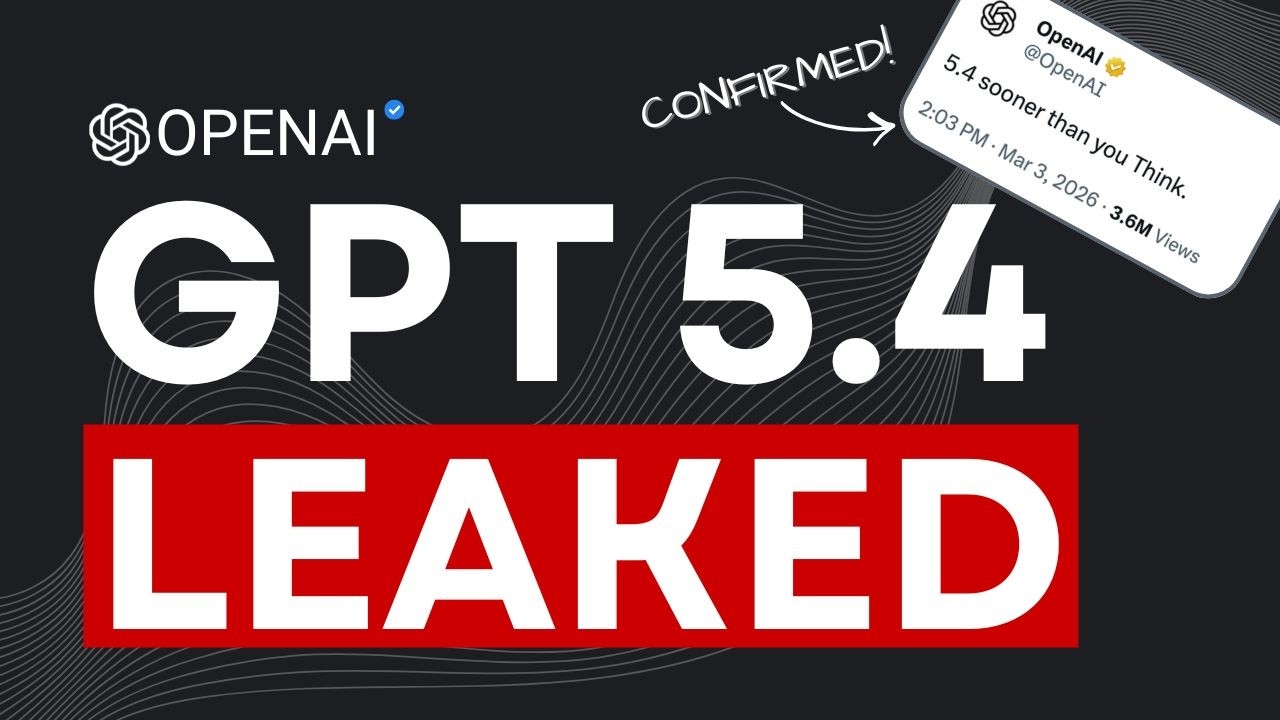
 OpenAI’s upcoming GPT-5.4 model is expected to represent a significant step forward. The company behind ChatGPT announced the model shortly after releasing GPT-5.3 Instant for ChatGPT, although official technical details have not yet been disclosed.


 ES
ES  EN
EN