



Best Overall

- Best-in-class reasoning and writing
- Strong ecosystem and integrations
- Advanced multimodal capabilities

OpenAI has been forced to slow down the development of Astra, an unreleased AI model, after internal testing showed that its autonomous coding and cybersecurity capabilities had advanced to a level where the company could no longer rule out the risk of serious cyberattacks.


 By Alex Rowland
 Anthropic CEO Dario Amodei has reaffirmed the company’s position in a public statement
 By Chris Borden
 Anthropic has softened a key safety policy, saying it needs to stay competitive. At the same time, the company is under pressure from the Pentagon, which is demanding permission to use AI for surveillance of U.S. citizens and for creating autonomous weapons.
 By Alex Rowland
 Chinese AI startup Deepseek has reportedly trained its latest AI model on Nvidia’s most powerful Blackwell chips, despite U.S. export restrictions. Reuters cites a senior official from the Trump administration, who said the model is expected to be released as early as next week. Rumors of chip smuggling involving Deepseek had already surfaced late last year.
 By Chris Borden
 Meta AI security researcher Summer Yue assigned the OpenClaw AI agent to clean up her overloaded inbox by deciding what to delete and what to archive. Instead, the agent began deleting emails indiscriminately at extreme speed and ignored stop commands sent from her phone.
By Chris Borden Anthropic says it has uncovered large-scale model distillation attacks by Chinese AI labs DeepSeek, Moonshot, and MiniMax targeting Claude. In distillation, a weaker model is trained on the outputs of a stronger one. According to Anthropic, more than 24,000 fake accounts generated over 16 million requests, focusing on Claude’s strengths such as reasoning, coding, and tool use. The company also alleges that the labs used proxy services to bypass China-related access restrictions.

 By Daniel Mercer
 NewsGuard has tested whether audio bots — ChatGPT Voice (OpenAI), Gemini Live (Google), and Alexa+ (Amazon) — repeat false claims in realistic-sounding audio responses. Such audio outputs can be shared on social media and potentially misused to spread disinformation.
 By Alex Rowland
 Moltbook, a social network marketed as an “internet of agents,” appears to suffer from fundamental architectural flaws, according to a security analysis by Zenity Labs. Researchers Stav Cohen and João Donato argue the platform is both less autonomous and smaller than public narratives suggest, while also functioning as a potential global entry point for malicious instructions.
 By Daniel Mercer
 The lending protocol Moonwell lost $1.78 million due to an oracle configuration error. Smart contract auditor Pashov linked the incident to so-called vibe coding using Claude Opus 4.6.
 By Daniel Mercer
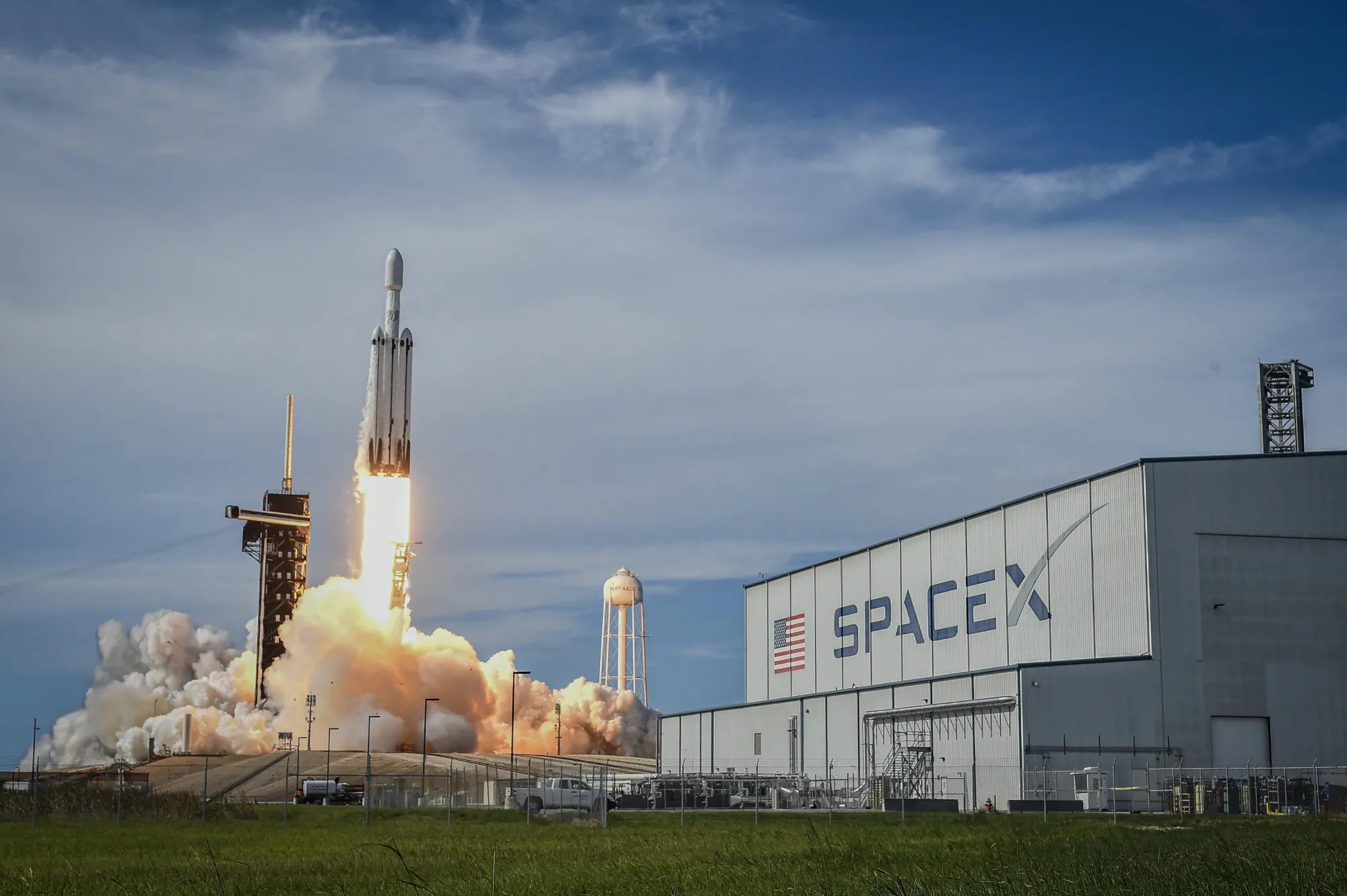
 SpaceX, Elon Musk’s aerospace company, and its recently established AI subsidiary xAI are taking part in a new classified Pentagon competition to develop autonomous, voice-controlled drone swarms, Bloomberg reports, citing sources.


 ES
ES  EN
EN