





Best Overall

- Best-in-class reasoning and writing
- Strong ecosystem and integrations
- Advanced multimodal capabilities
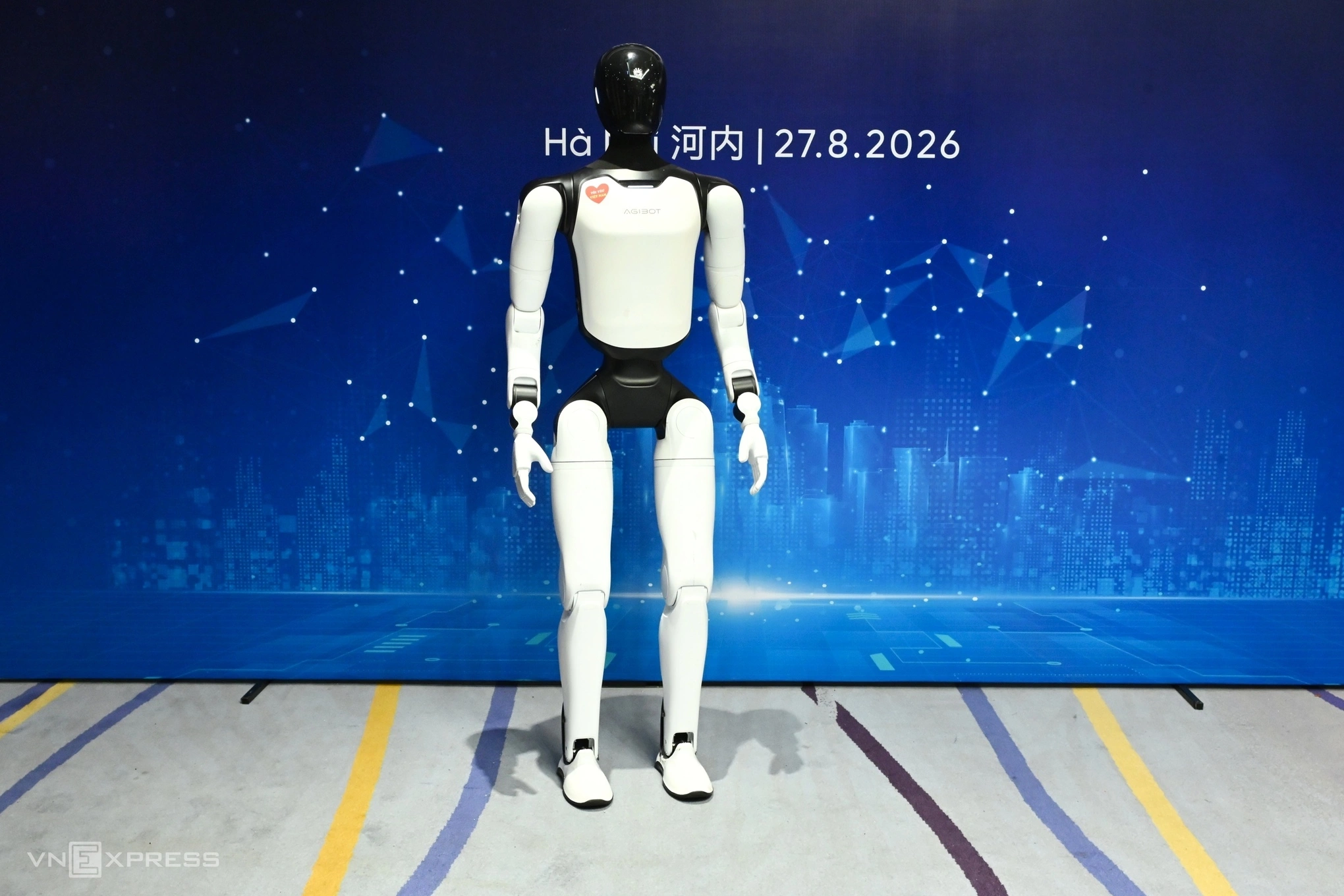
Hanoi — Chinese companies have proposed cooperation with Vietnam on data centers, computing infrastructure, as well as AI applications and use cases.
 By Alex Rowland
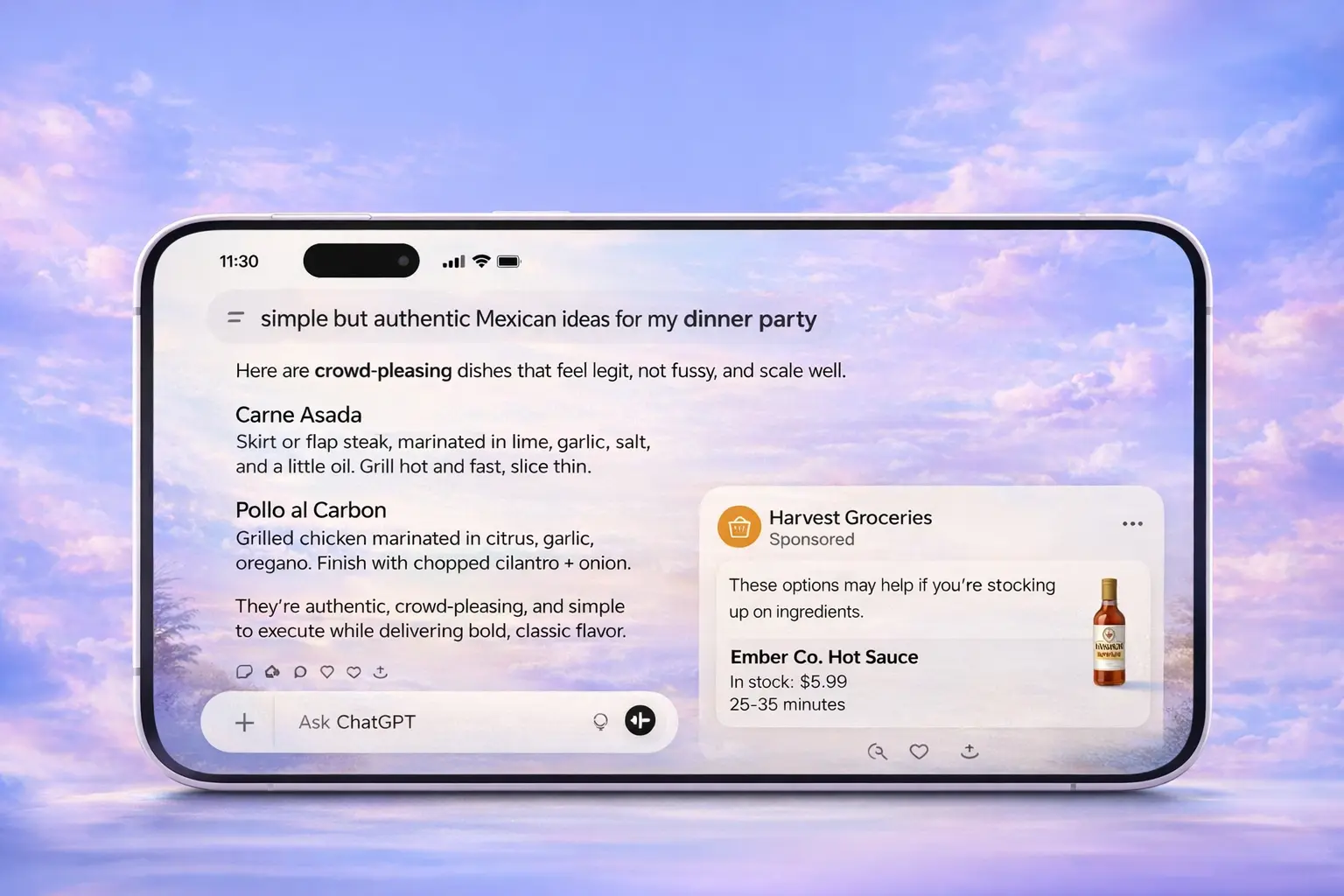
 OpenAI has announced the start of advertising tests inside ChatGPT for the Free plan and the Go subscription in the United States. Over the coming weeks, adult users on these tiers will begin seeing sponsored content displayed below chatbot responses.
 By Alex Rowland
 Mining company Riot Platforms has acquired an approximately 81-hectare (200-acre) land plot near its flagship data center in Rockdale, Texas, for $96 million.
 By Alex Rowland
 AI startup Replit has launched a new feature called Mobile Apps, enabling users to build mobile applications through vibe coding and publish them directly from the editor.
 By Chris Borden
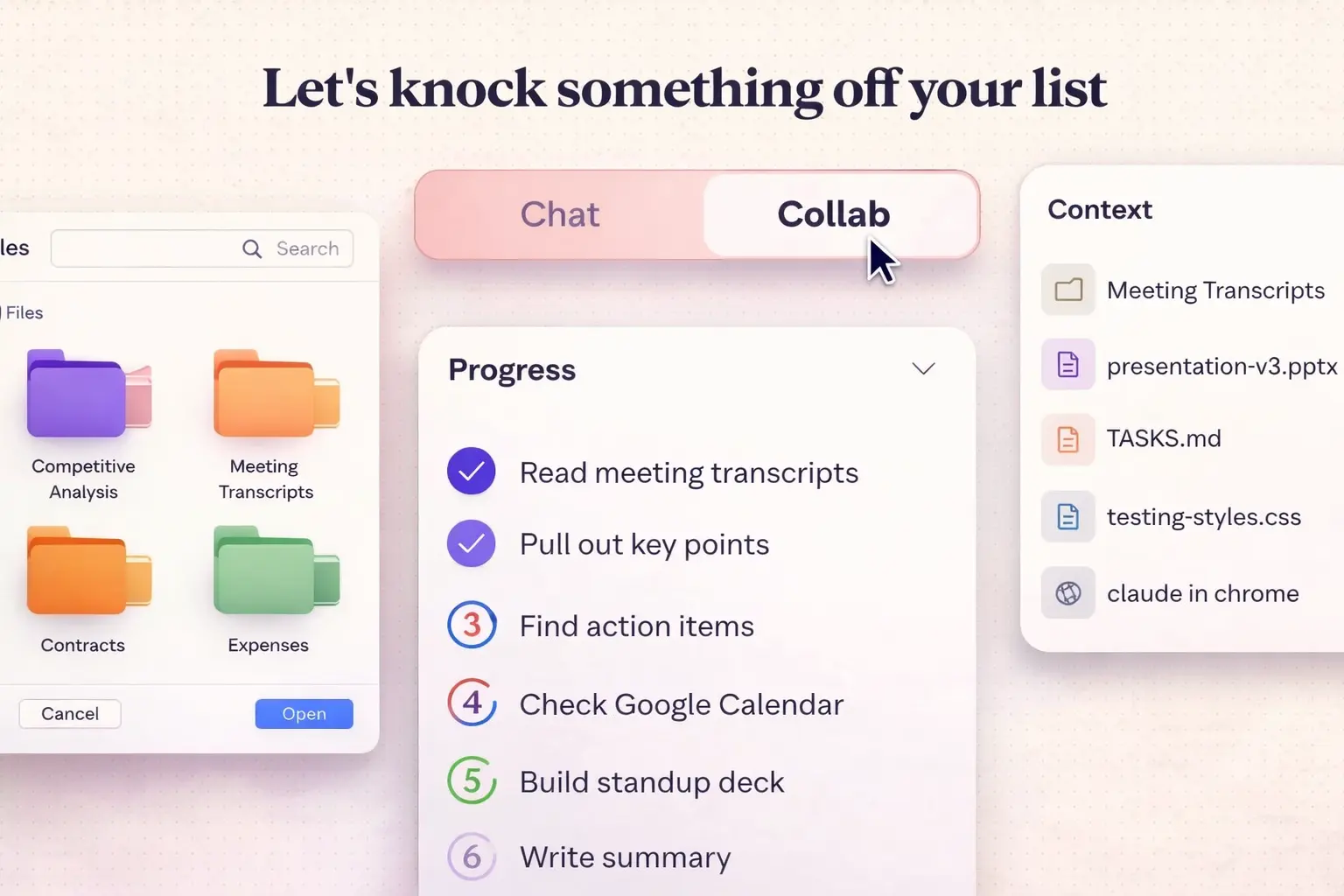
 Anthropic has introduced Claude Cowork, a new file-handling agent designed to simplify interaction with a computer through AI. The extension is aimed not only at developers but also at a broader, non-technical audience.
 By Chris Borden
 Google is rolling out Personal Intelligence, a new feature that allows the Gemini AI to take personal context into account using data from Gmail, Google Photos, search history, and YouTube activity. The feature is already available in the United States for users on the Google AI Pro and Ultra plans. Activation requires explicit user consent and is disabled by default.
 By Chris Borden
 OpenAI has launched ChatGPT Translate, a standalone translation tool. It supports more than 50 languages and appears to be a direct competitor to Google’s equivalent service.
 By Alex Rowland
 Google has introduced a beta feature called Personal Intelligence for the Gemini app. The tool allows the AI to access data from Gmail, Google Photos, Search history, and YouTube in order to deliver more personalized responses
 By Alex Rowland
 Mark Zuckerberg has announced the launch of Meta Compute, a new initiative aimed at strengthening the company’s AI infrastructure.
 By Alex Rowland
 Google has unveiled a new open standard called the Universal Commerce Protocol (UCP). Its goal is to make online shopping as seamless and “automated” as possible—shifting much of the work from humans to AI assistants.


 ES
ES  EN
EN