


Best Overall

- Best-in-class reasoning and writing
- Strong ecosystem and integrations
- Advanced multimodal capabilities

OpenAI has launched GPT-6 Astra, its most capable artificial intelligence model to date. The model can operate computers, complete multistep workflows and handle tasks that would otherwise require continuous human input.
 By Alex Rowland
 With Gemini 3.1 Pro, Google aims to significantly strengthen the core intelligence of its model family. On a demanding reasoning benchmark, performance has more than doubled compared with its predecessor. That said, benchmarks are still just benchmarks.
 By Chris Borden
 Accenture is monitoring individual AI tool logins and making them a promotion criterion. Those who fail to adapt may be forced to leave.
 By Chris Borden
 The AI startup Perplexity has said it has stopped running advertising on its search platform because ads could undermine user trust. Perplexity was one of the first generative AI companies to test advertising in 2024, but began rolling it back toward the end of last year.
 By Alex Rowland
 Apple is accelerating the development of three wearable AI devices, according to Bloomberg: smart glasses, a pendant-style device, and AirPods with a built-in camera. While these product categories have circulated as rumors for some time, new details have now emerged
 By Chris Borden
 World Labs, the AI startup founded by AI pioneer Fei-Fei Li, has raised $1 billion in a new funding round. Investors include Autodesk ($200 million), Andreessen Horowitz, Nvidia, and AMD, the company said in a blog post.
 By Chris Borden
 Google is introducing an AI music generator called Lyria 3 to the Gemini app. The model can generate 30-second music tracks with vocals.
 By Alex Rowland
 Anthropic has released an updated mid-tier AI model, Sonnet, with a primary focus on stronger coding performance, better instruction-following, and improved computer-use capabilities.
 By Daniel Mercer
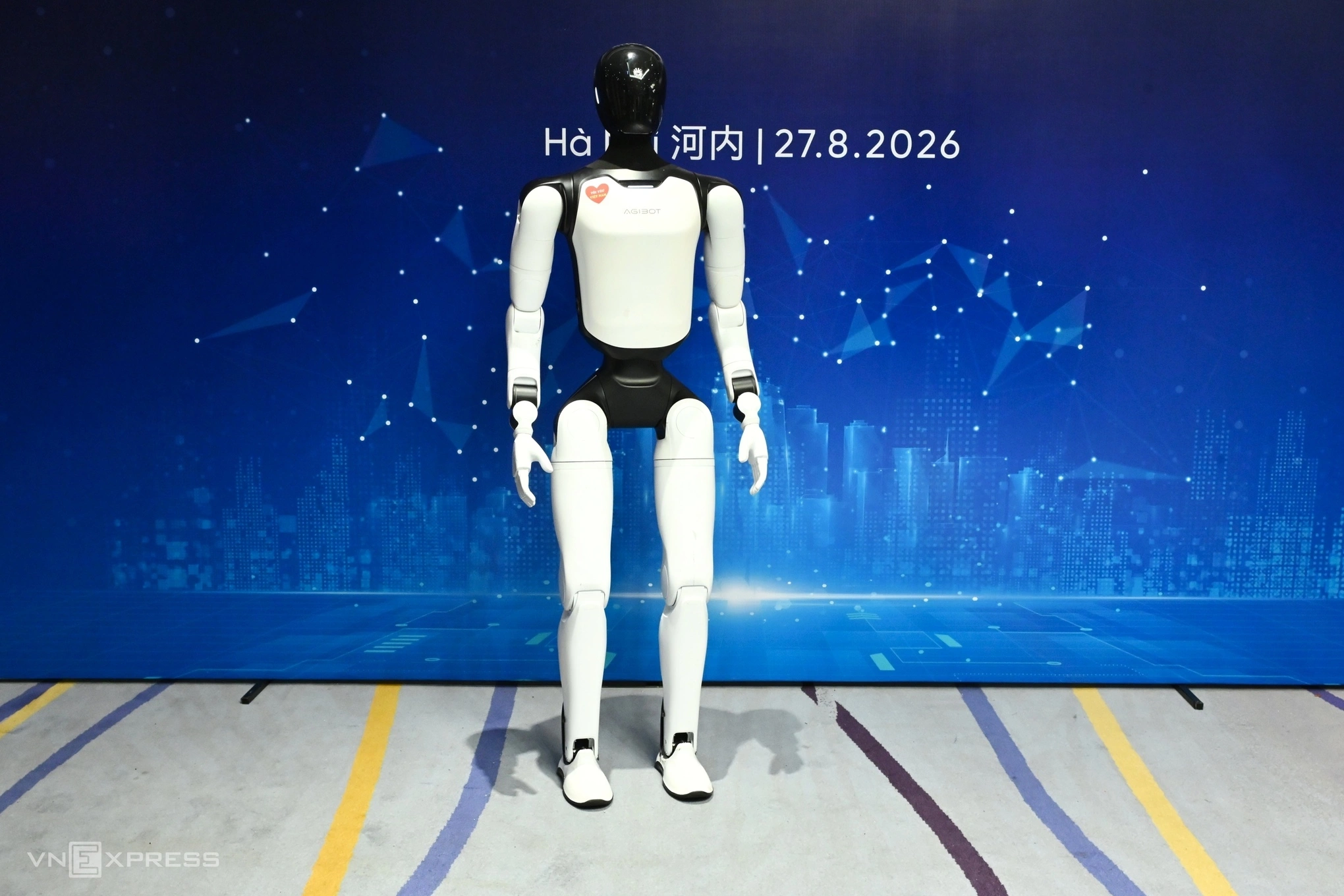
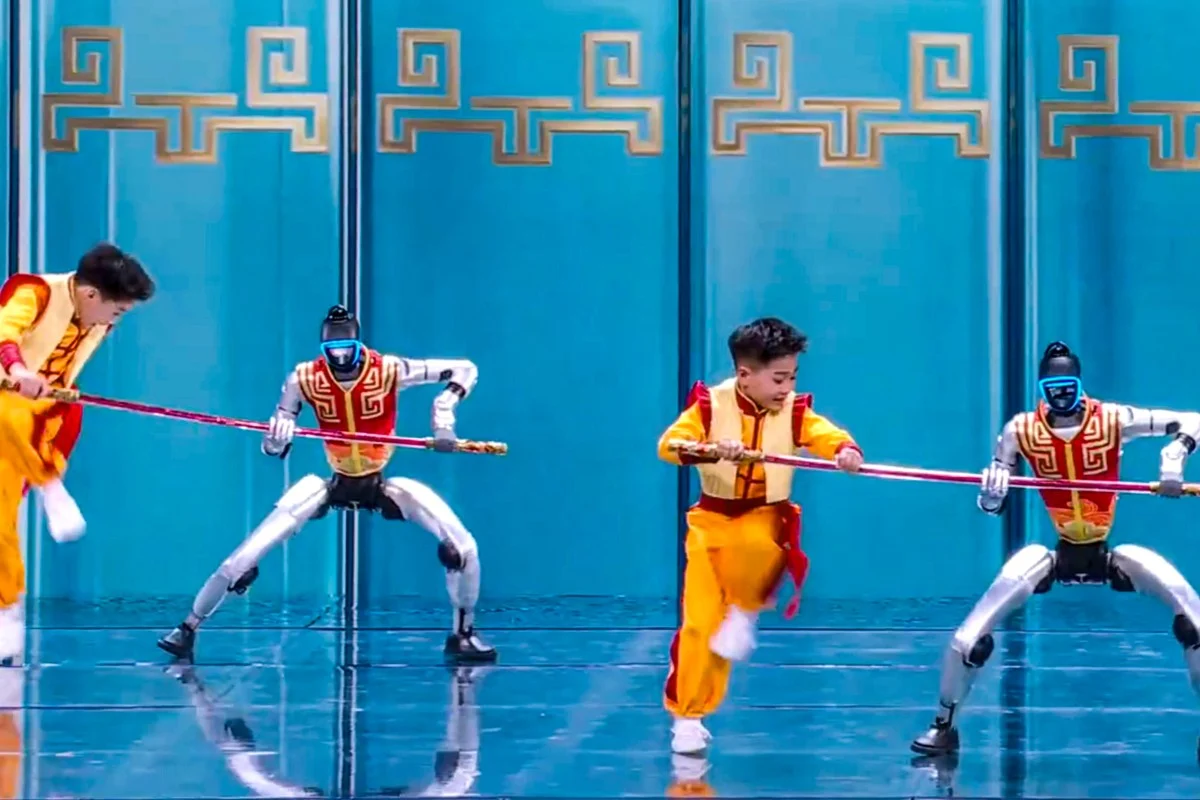
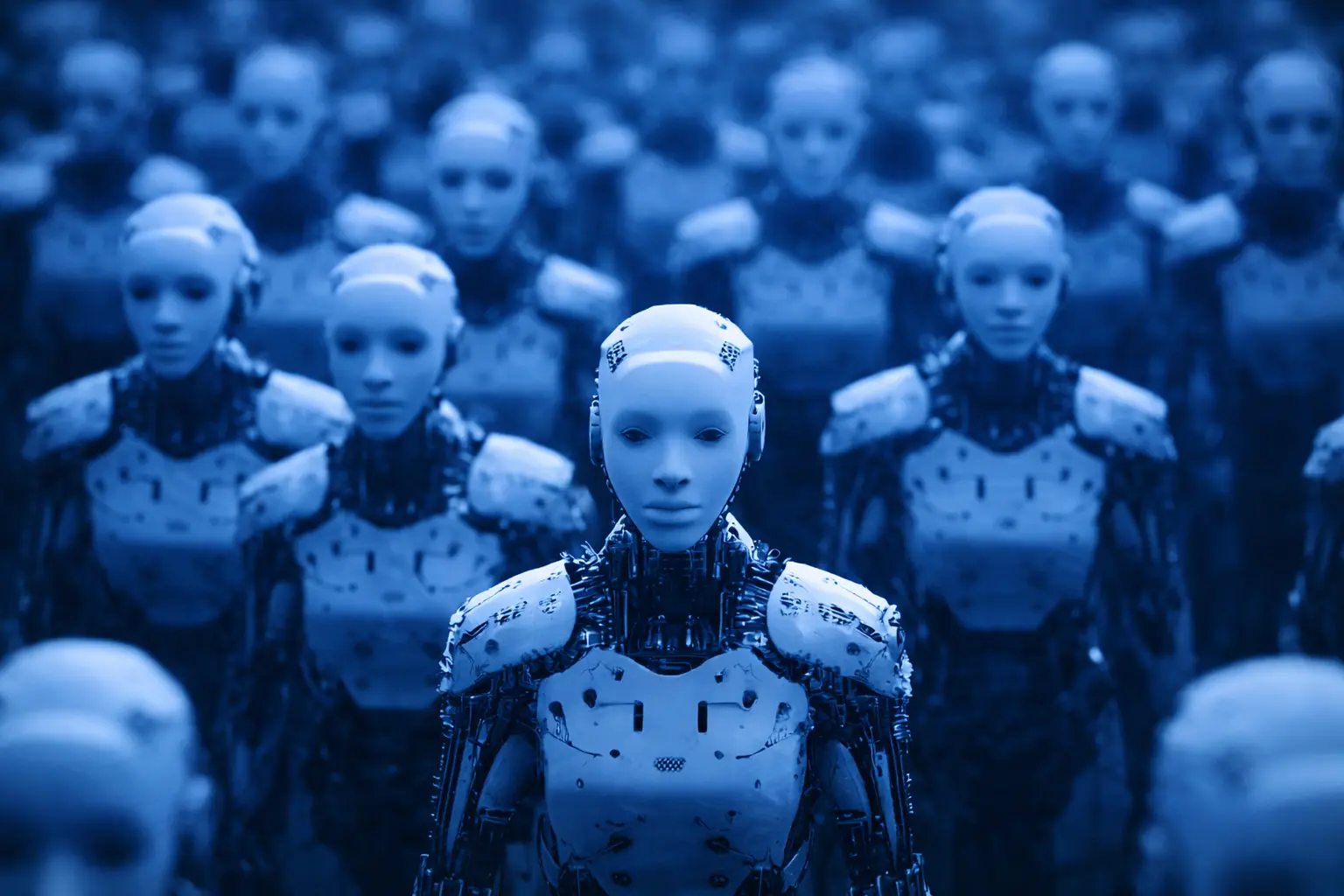
 Chinese company Unitree Robotics plans to sell up to 20,000 humanoid robots in 2026, compared with about 5,500 units a year earlier, CEO Wang Xingxing told the South China Morning Post.
 By Daniel Mercer
 The lending protocol Moonwell lost $1.78 million due to an oracle configuration error. Smart contract auditor Pashov linked the incident to so-called vibe coding using Claude Opus 4.6.


 ES
ES  EN
EN