
Best Overall

- Best-in-class reasoning and writing
- Strong ecosystem and integrations
- Advanced multimodal capabilities

Competition in China’s AI market is shifting from building increasingly powerful models to finding ways to monetize them and apply them in practice. Alex Yao, head of China equity research at JPMorgan, told SCMP about this trend.
 By Daniel Mercer
 “Every company is now an API company, whether it wants to be or not,” OpenAI CEO Sam Altman said, quoting a line that has particularly stuck with him in recent weeks. He made the remark while discussing the impact of generative AI on existing software business models.
 By Chris Borden
 Apple is scaling back its plans for an AI-powered virtual health coach codenamed “Mulberry,” Bloomberg reports. Instead of launching it as a standalone product, the company plans to roll out some of the originally planned features individually within the Health app.
 By Alex Rowland
 According to OpenAI CEO Sam Altman, ChatGPT has as many users in Texas as Claude has across the entire United States. Altman shared this statistic in response to Anthropic’s aggressive ad campaign, which pokes fun at ChatGPT by portraying it as ad-driven. Anthropic has publicly stated that it does not plan to introduce advertising into Claude.
 By Daniel Mercer
 Amazon will use AI to speed up film and television production and reduce costs. Albert Cheng leads the “AI Studio” at Amazon MGM Studios, which is set to launch a closed beta program with industry partners in March 2026, with results expected in May, according to Reuters.
 By Chris Borden
 Anthropic, the company behind Claude, is positioning itself against advertising while supporting commercial chat-based transactions. In a blog post, Anthropic says Claude will remain ad-free: no sponsored links and no answers influenced by advertisers. Unlike search engines, users often share personal information in AI chats. Advertising could steer conversations toward transactions rather than being genuinely helpful—concerns that OpenAI CEO Sam Altman previously raised before his company ultimately decided to pursue ads
 By Chris Borden
 Anthropic is entering into two partnerships with leading U.S. research institutions to develop AI agents for biological research. The Allen Institute and the Howard Hughes Medical Institute (HHMI) will collaborate with the AI company as founding partners. According to Anthropic, modern biological research generates data “at an unprecedented scale,” but transforming it into “validated biological insight remains a fundamental bottleneck.” Manual processes, the company says, can no longer keep pace with the volume of data produced.
 By Chris Borden
 According to Bloomberg, Nvidia is expected to invest $20 billion in OpenAI’s next funding round, significantly less than earlier rumors that suggested as much as $30 billion. Bloomberg cites a person familiar with the matter, noting that the deal is not yet finalized and the figures could still change.
 By Chris Borden
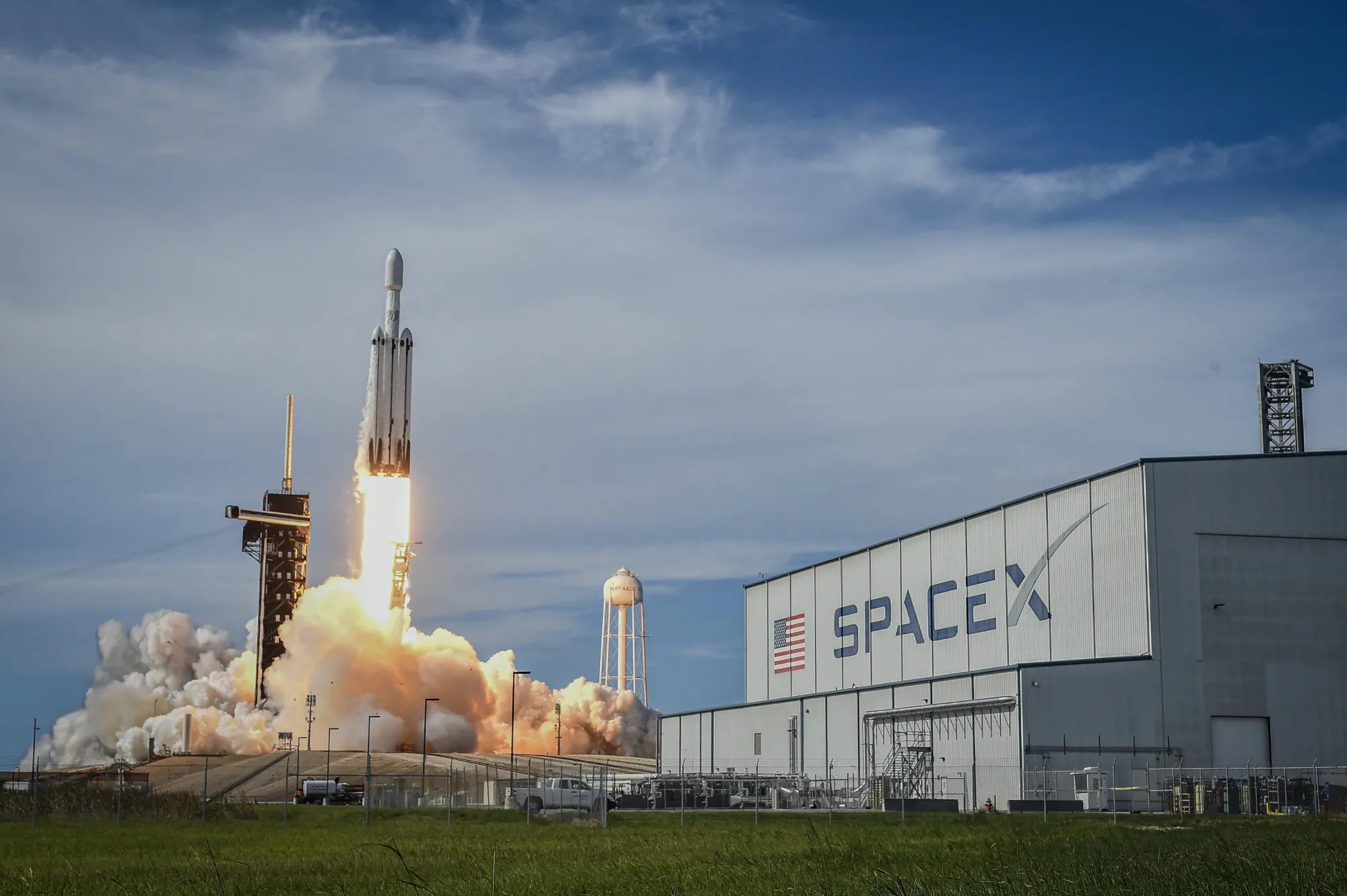
 Elon Musk is merging his space and AI companies into a giant valued at $1.25 trillion. The official rationale: only space can provide the scale artificial intelligence ultimately requires. The economic motivations, however, appear to be just as significant.
 By Chris Borden
 The AI boom could add up to $57 to Apple’s cost per iPhone—from memory chips alone.


 ES
ES  EN
EN